The cheetah is the fastest land animal, built for short, explosive chases across open ground. Unlike most big cats, it hunts mainly in daylight, which makes it one of the best cats to watch in action on a cheetah safari. This guide explains how cheetahs live and hunt, where to see cheetahs in Kenya, Tanzania and Uganda, the best time to go and how to watch them in a way that protects them.
How cheetahs hunt
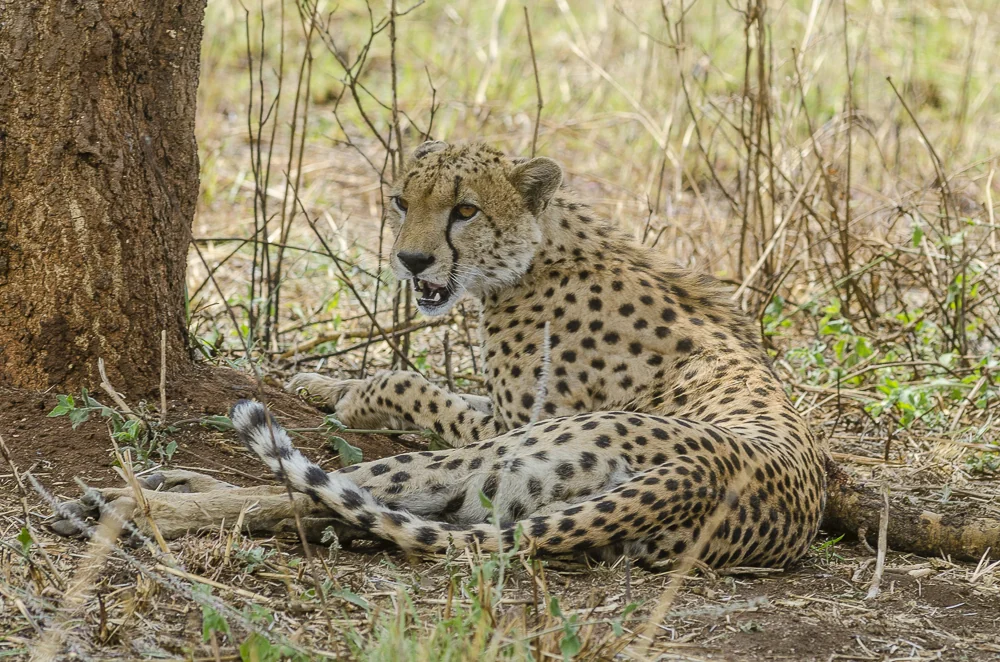
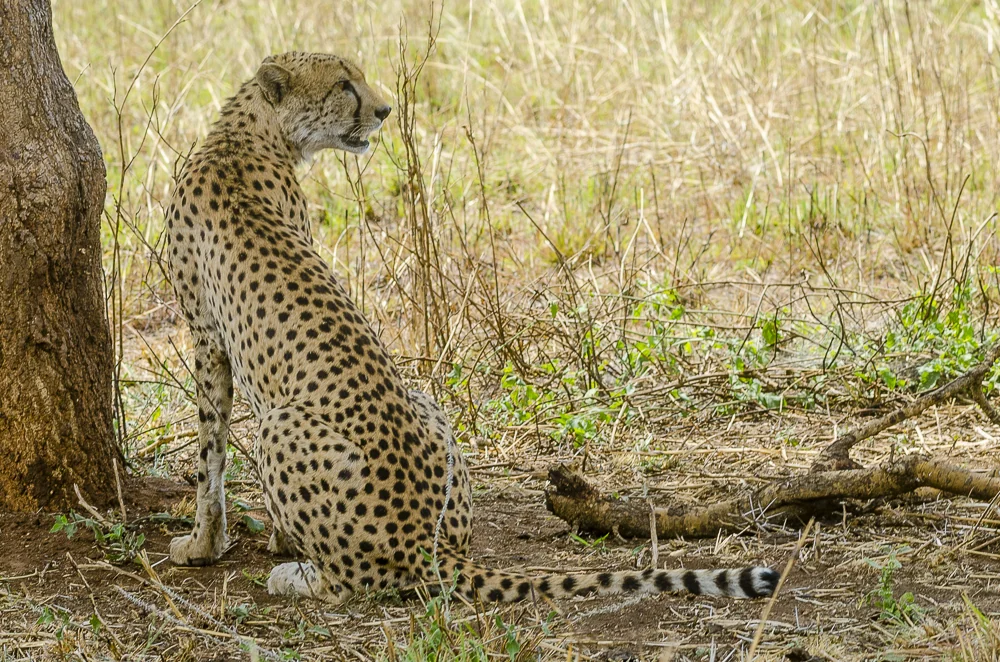
A cheetah stalks to within a short distance and then sprints, reaching around 100 kilometres an hour in a burst. Most chases are over within a minute, and the animal needs to rest and recover afterwards. Because cheetahs are slim and light, they avoid fights and often lose kills to lions, leopards and hyenas. They commonly use termite mounds, fallen trees or even safari vehicles as lookouts.
Cheetahs in Kenya
The Maasai Mara is one of the best places in Africa to see cheetahs, with open plains and plenty of Thomson's gazelle. Amboseli's open ground also gives good sightings, and Samburu and Laikipia hold cheetahs in drier, more rugged country. Because the Mara is busy, choose a camp or conservancy with good guiding and limits on vehicle numbers.
Cheetahs in Tanzania
The Serengeti is the other great cheetah landscape. The short-grass plains of the southern Serengeti and Ndutu, particularly in the calving season, provide excellent chances, and the Seronera area also offers regular sightings. The Ngorongoro Crater rim and Tarangire hold cheetahs, though sightings there are less predictable.
Cheetahs in Uganda
Kidepo Valley National Park in north-eastern Uganda is the place to look for cheetahs in Uganda. It is a remote park with open savanna, mountains and few visitors, and cheetah sightings feel special because of the setting. Pair Kidepo with a visit to the Karamojong communities for a cultural experience.
Cheetah or leopard: what is the difference?
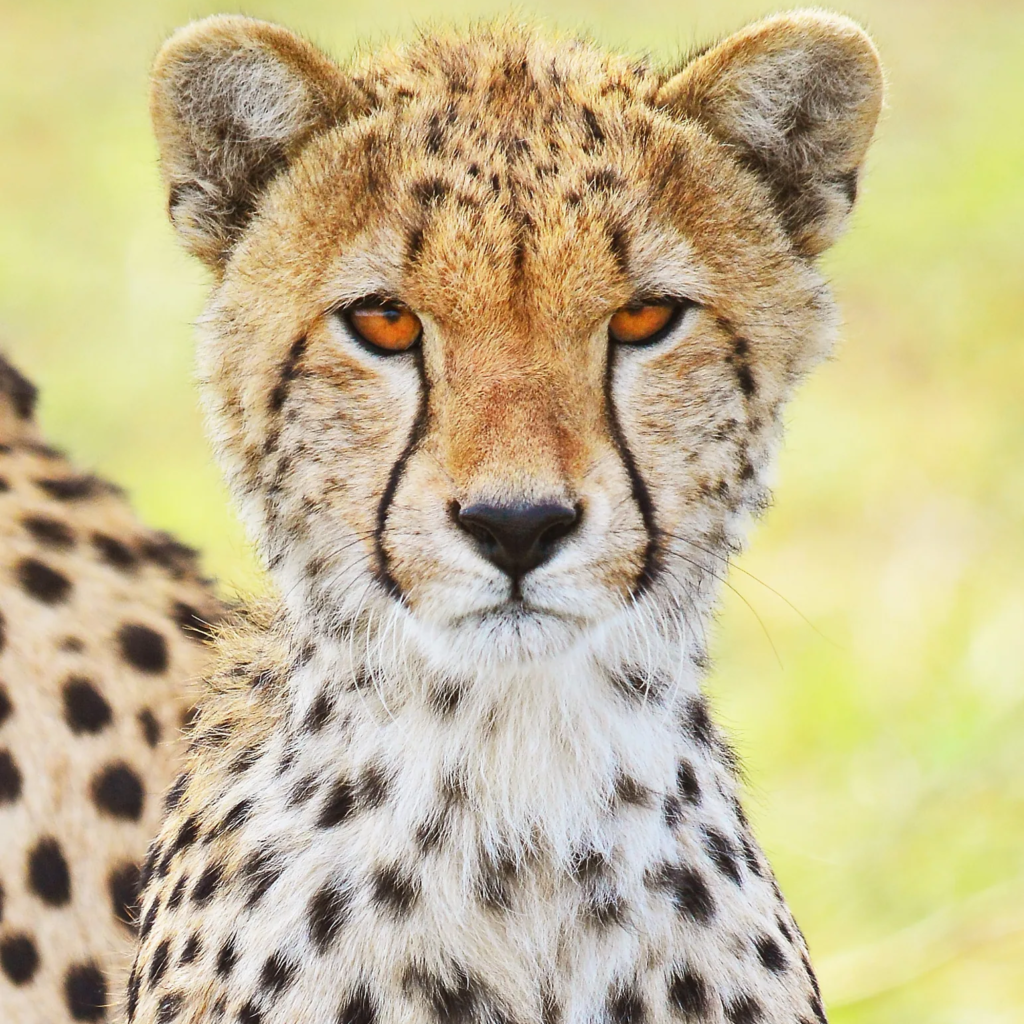
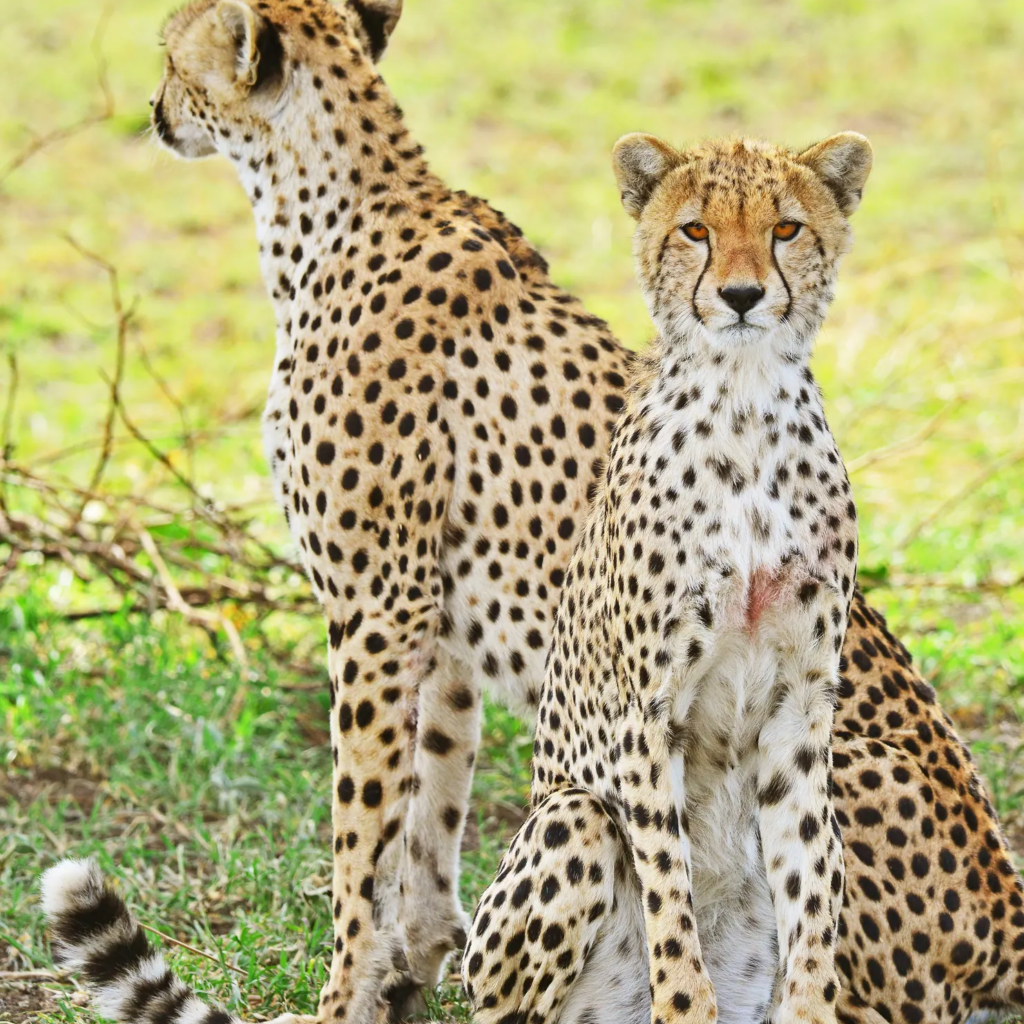
Cheetahs have a slim build, long legs, small head and solid black spots, with distinctive black tear marks from the eyes to the mouth. Leopards are stockier, with rosette-shaped spots and a powerful build. Cheetahs hunt by day on open ground and rely on speed, while leopards hunt by night and rely on stealth and strength. Learning these differences makes each sighting more rewarding.
Cheetah conservation
Cheetahs are listed as vulnerable, with populations affected by habitat loss, conflict with people and low cub survival. East Africa has some of the strongest remaining populations, particularly in the Serengeti Mara ecosystem. Responsible tourism, rangers and community programmes all play a part, and good viewing etiquette helps reduce pressure on cheetahs in busy areas.
Cheetah family life
Females raise cubs alone for around 18 months, moving them between dens and teaching them to hunt. Male cheetahs often form small coalitions with brothers, which helps them hold territory. Cub survival is low because of predators, so seeing a mother with healthy cubs is a rewarding sign of a good habitat.
Where cheetahs fit in the big cat picture
East Africa has three large cats that visitors hope to see: lions, leopards and cheetahs. Lions are social and easy to find, leopards are secretive and rewarding, and cheetahs sit in between, favouring open ground where you can watch them stalk and sprint. Seeing all three on one safari is possible in the Maasai Mara and the Serengeti, and our lion, leopard and cheetah guides explain how to plan for each. Together with elephants, buffalo and rhinos they make up the wider Big Five and big cat story of the savanna.
Best time to see cheetahs
Cheetahs live in the same areas through the year, but the dry season, roughly June to October and January to February, brings shorter grass and easier viewing. In the southern Serengeti, the calving season in January to March attracts cheetahs to the plains. Early morning and late afternoon give the best light and activity.
Cheetah photography tips
Use a fast shutter speed, ideally above 1/1000 second, to freeze action, and a long lens to keep a respectful distance. Be ready when a cheetah climbs a mound or begins to stalk, and use burst mode when the chase starts. Cheetahs often pose against open sky, which gives striking silhouettes in morning and evening light.
Watching cheetahs responsibly
Cheetahs need open space to hunt, and crowded vehicles can disturb them. Stay quiet, keep your distance and follow your guide. Do not block a cheetah's route or crowd a mother with cubs. A respectful approach gives you the best photographs and the least disturbance to the animals.
Planning a cheetah safari
We combine cheetah areas with lions, leopards, elephants and the Great Migration for a full big cat safari. Tell us your dates and what you want to see, and we will choose camps in the right areas, with guides who know the cheetahs of their territories.
At a glance
- Open plains in the dry months
- Early morning for active hunting
- Southern Serengeti in calving season
- Kidepo for cheetahs in Uganda
Keep exploring
- Maasai Mara National Reserve
- Serengeti National Park
- Kidepo Valley National Park
- Leopards
- Lions
- The Big Five
- Wildlife safaris
- The Great Migration
Plan a safari around Cheetahs in East Africa: Where to See Cheetahs Hunt
Tell us your dates and what you most want to see, and we’ll time your safari to match it as closely as nature allows. Talk to us, or browse our safari packages to see how a migration-timed itinerary is put together.
Cheetahs in East Africa: Where to See Cheetahs Hunt