Skip to content
UGANDA • RWANDA • KENYA • TANZANIA • PRIVATE & TAILOR-MADE SAFARIS
OFFMAPSAFARIS: Home

Kenya

Great Rift Valley (Overview)

Things to do: Scenic viewpoints, Lake visits, Escarpment drives.

About this place

Why come here.

The Great Rift Valley, part of the wider East African Rift System, stretches roughly 6,400 km from Jordan in southwestern Asia through East Africa to Mozambique, formed over some 30 million years as the African and Arabian tectonic plates slowly pull apart. Within East Africa, the rift splits into two great arms, the Eastern and Western branches, shaping much of the region’s landscape, lakes and wildlife habitat.

CountryKenya, Rwanda, Tanzania, Uganda
RegionEast Africa
Best timeYear-round
Things to doScenic viewpoints, Lake visits, Escarpment drives

Explore Great Rift Valley (Overview) in detail →

Safaris in Kenya

Safaris built around Kenya

All Kenya Safaris →

In detail

Discover Great Rift Valley (Overview).

The rift at a glance

  • Part of a rift system roughly 6,400 km long, averaging 48-64 km wide
  • Forming for around 30 million years as tectonic plates separate
  • Splits into Eastern and Western branches across East Africa
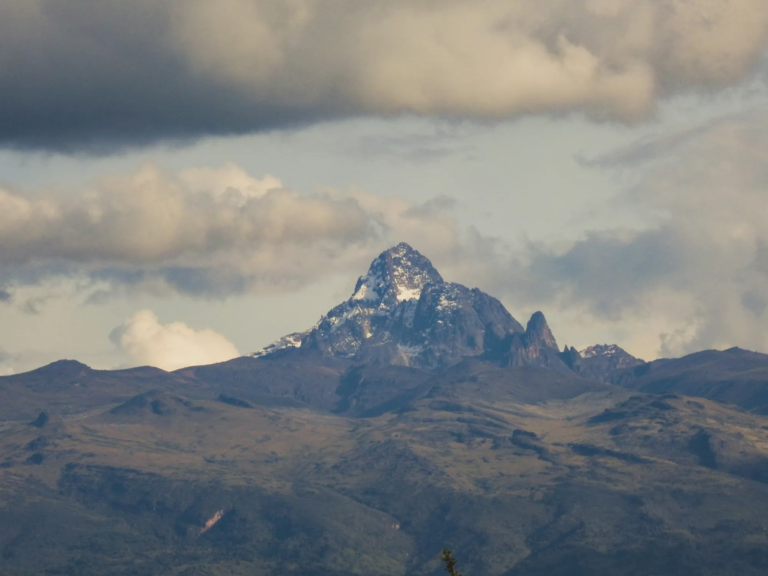
  • Responsible for volcanic peaks including Kilimanjaro and Mount Kenya
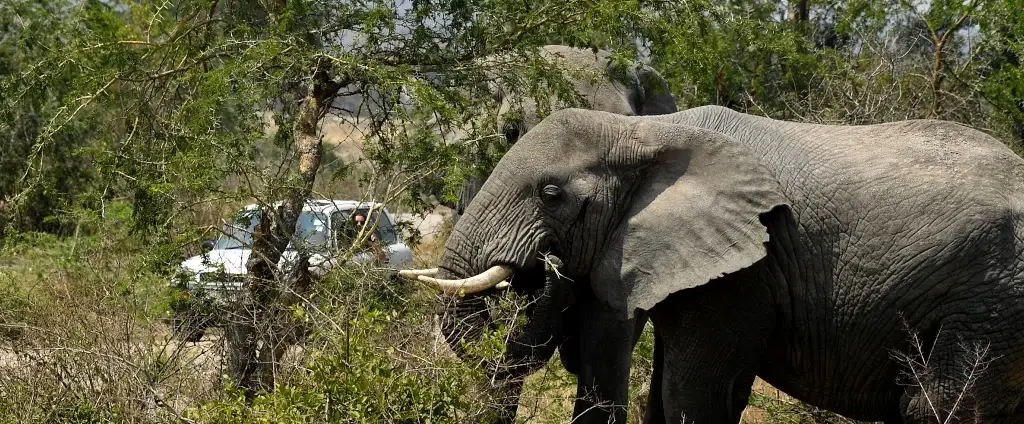
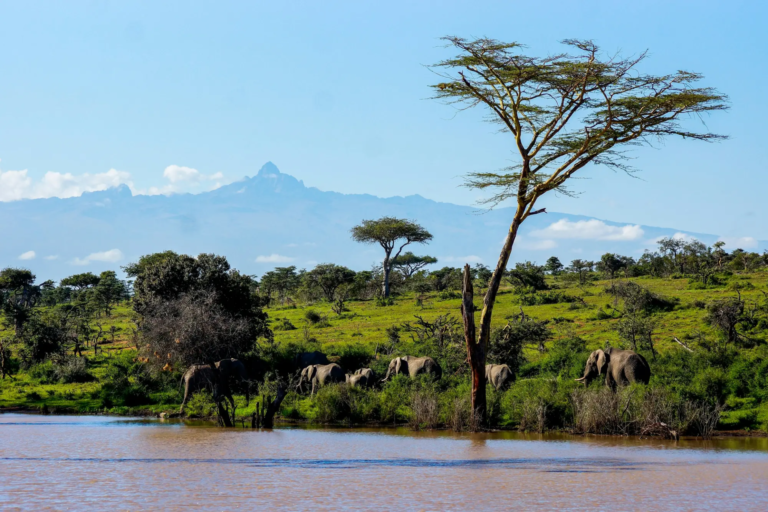
Safari elephant near vehicle

Two branches, two landscapes

The Eastern branch runs through Kenya and Tanzania, holding lakes such as Turkana, Naivasha and Magadi, along with the volcanic highlands that shape much of Kenya’s safari country. The Western branch arcs north from Lake Nyasa through Rwanda, Uganda and the Democratic Republic of Congo, holding the deep, elongated lakes Tanganyika, Kivu, Edward and Albert, and forming the dramatic escarpments that frame western Uganda’s parks.

A landscape that shapes East African safaris

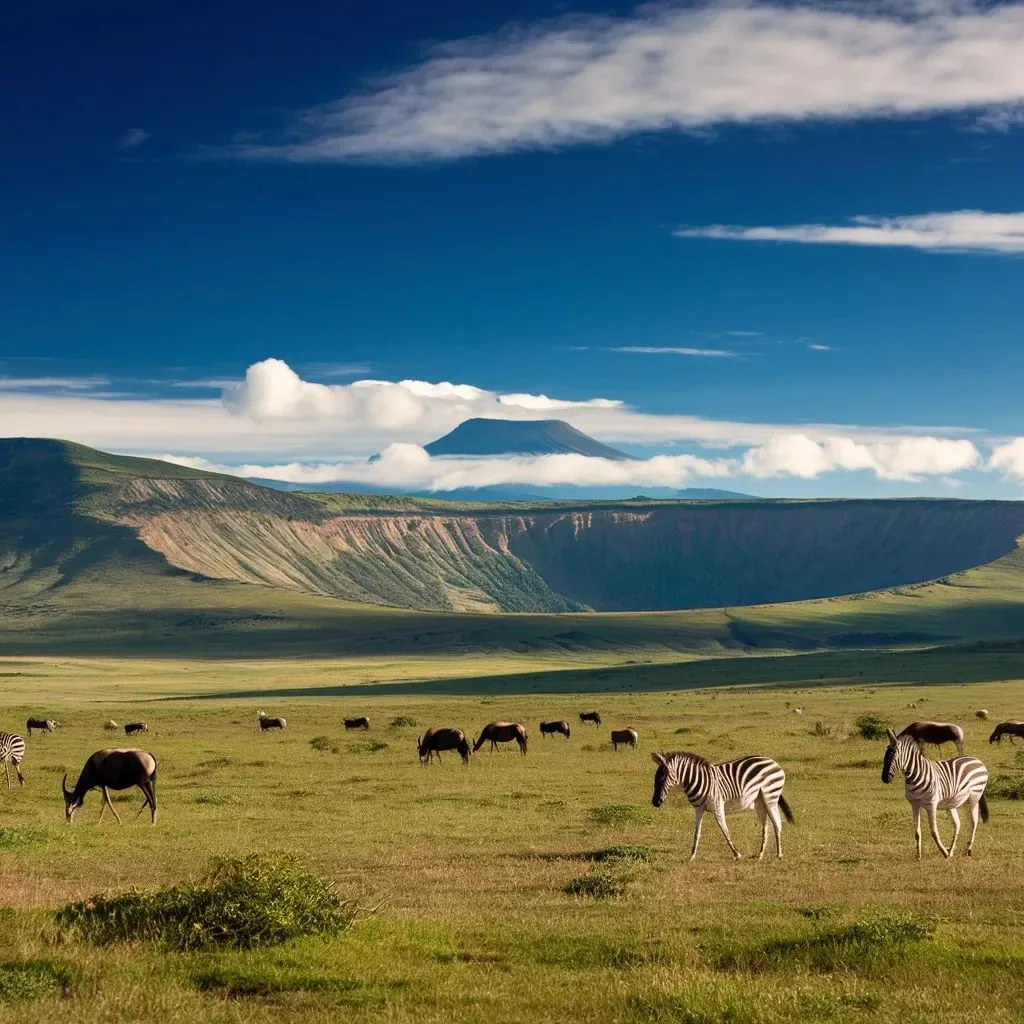
Much of what defines a classic East African itinerary traces back to the rift: its volcanic soils support the grasslands of the Serengeti-Mara ecosystem, its escarpments create the dramatic backdrops of parks like Queen Elizabeth and Lake Manyara, and its lakes provide some of the region’s richest birdwatching. Escarpments along the rift’s edge drop more than 2,700 m in places, giving many of East Africa’s best viewpoints their striking sense of scale.
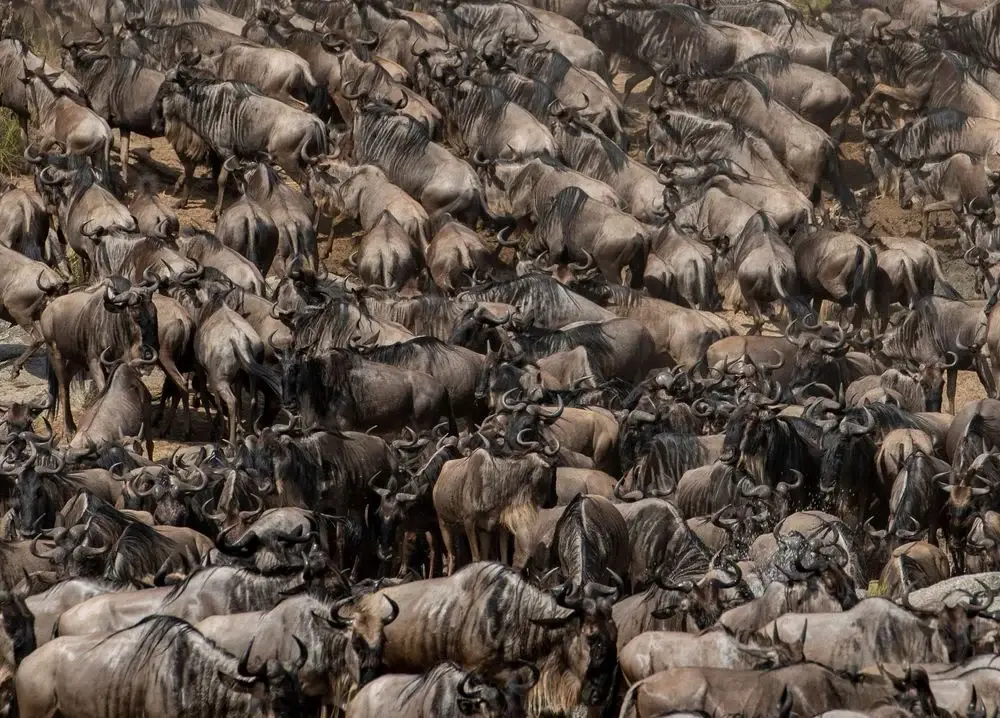
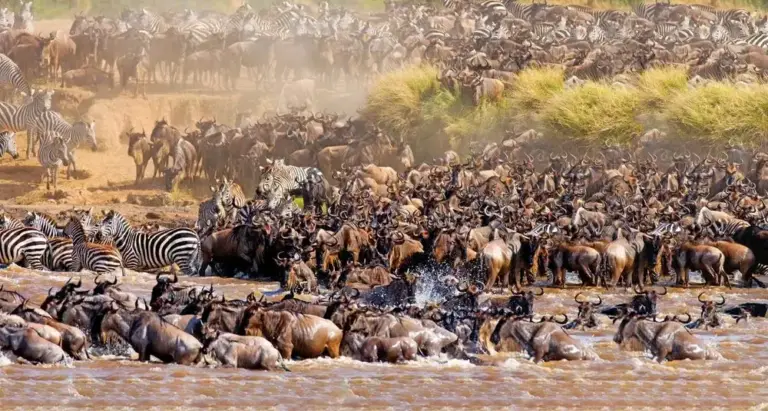
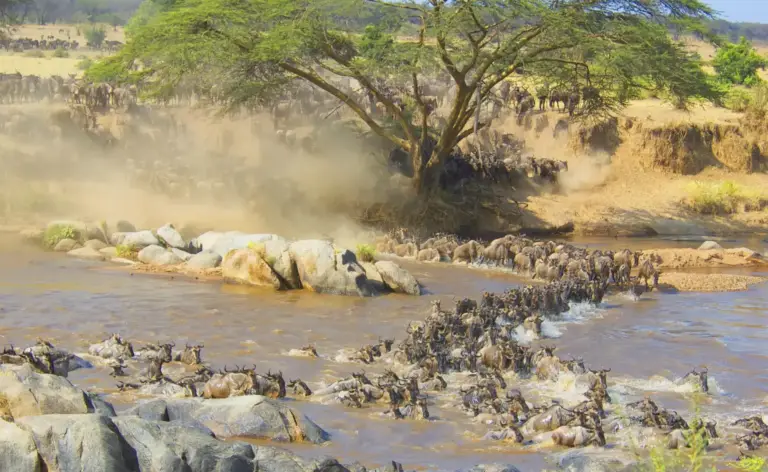
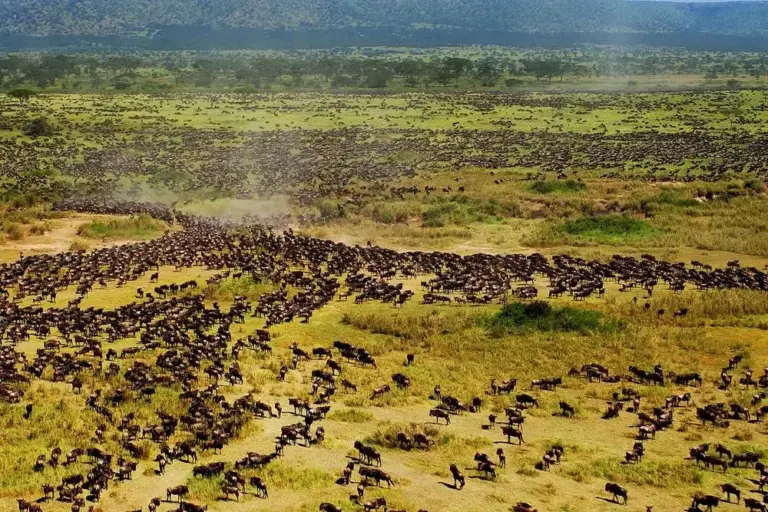
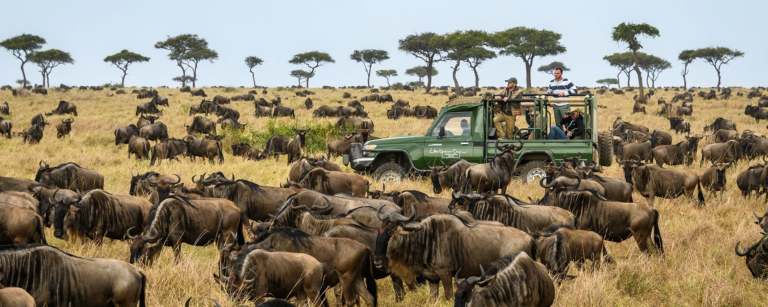
Serengeti wildebeest herd

Where to experience the rift

  • Kenya’s Rift Valley lakes, including Naivasha, Nakuru and Turkana
  • Western Uganda’s Rift Valley floor around Queen Elizabeth National Park
  • Rwanda’s Lake Kivu and the Virunga volcanoes along the Western branch

Practical information

  • The rift underlies destinations across Kenya, Tanzania, Uganda and Rwanda rather than being a single site to visit
  • Best appreciated through its individual lakes, escarpments and parks rather than as one stop
  • A useful frame for understanding why East Africa’s landscape varies so dramatically over short distances

The Great Rift Valley is the geological backbone of an East African safari, connecting many of the region’s most iconic destinations. Offmap Safaris can build an itinerary around its lakes, escarpments and parks. To start planning, visit Plan My African Safari, message us on WhatsApp at +256 701 243 304, or email [email protected]. See also our notes on health and safety and responsible travel.

Plan a safari that includes Great Rift Valley (Overview)

Our team plans private, tailor-made safaris, so we can build a trip around Great Rift Valley (Overview) and adjust the days, lodges and pace to suit you.

Plan my safari Ask us on WhatsApp All Kenya safaris

More places to explore in Kenya

Travel Guide

Knowledge connected to this page

Read planning and destination stories connected to this Offmap entity.

Explore the Travel Guide →

Need to know?

Questions about Great Rift Valley (Overview)

View all FAQs →
How long is the Great Rift Valley?

The wider rift system stretches roughly 6,400 km from Jordan through East Africa to Mozambique, averaging 48-64 km wide and has been forming for around 30 million years.

What are the two branches of the East African Rift?

The Eastern branch runs through Kenya and Tanzania holding lakes such as Turkana and Naivasha, while the Western branch arcs through Rwanda, Uganda and the DRC holding deep lakes such as Tanganyika, Kivu, Edward and Albert.

How does the Great Rift Valley shape East African safaris?

The rift’s volcanic soils support grasslands such as the Serengeti-Mara ecosystem, its escarpments frame parks like Queen Elizabeth and Lake Manyara, and its lakes offer some of the region’s richest birdwatching.

Which volcanic peaks did the Great Rift Valley create?

The rift’s volcanism produced major peaks including Kilimanjaro and Mount Kenya, alongside the Virunga volcanoes along its western branch.

Can I visit the Great Rift Valley as a single destination?

Not as one stop; the rift underlies destinations across Kenya, Tanzania, Uganda and Rwanda, so it is best experienced through its individual lakes, escarpments and parks.

From the Offmap Travel Guide

More about Kenya

Read the Travel Guide →

Your Africa, your way

Ready to start planning?

Tell us what you want to experience and we will help shape the safari.

Plan My Safari →