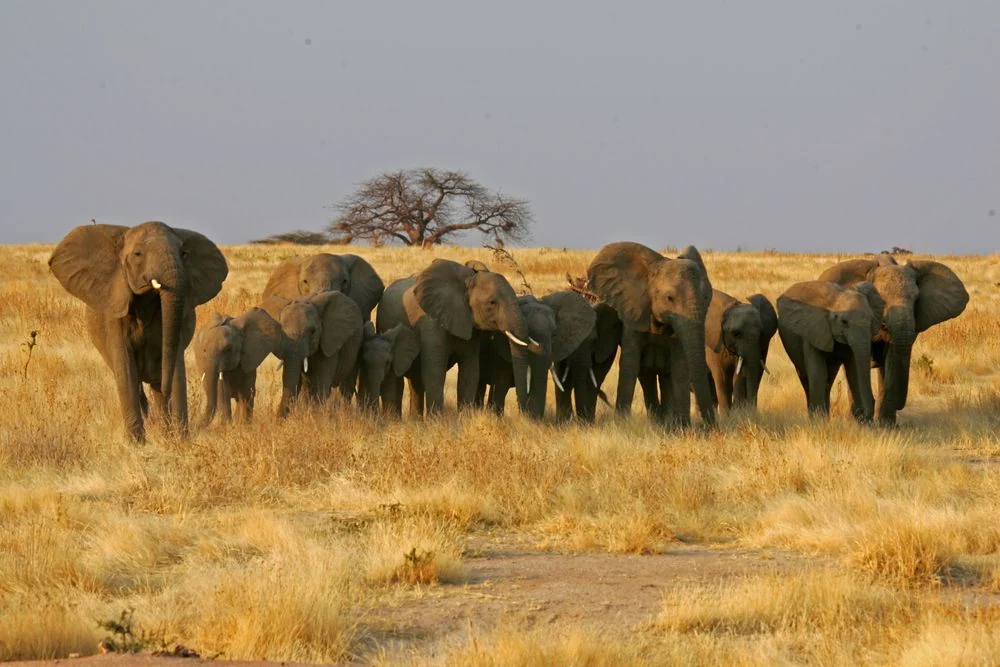
Tarangire National Park lies about 70 km from Lake Manyara in northern Tanzania, established in 1970 and covering roughly 2,850 sq km of woodland and grassland along the Tarangire River. The park is best known for two things: its exceptionally high density of elephants and its ancient, oversized baobab trees, which give the landscape a striking, almost prehistoric look.
The park at a glance
- About 2,850 sq km, established in 1970
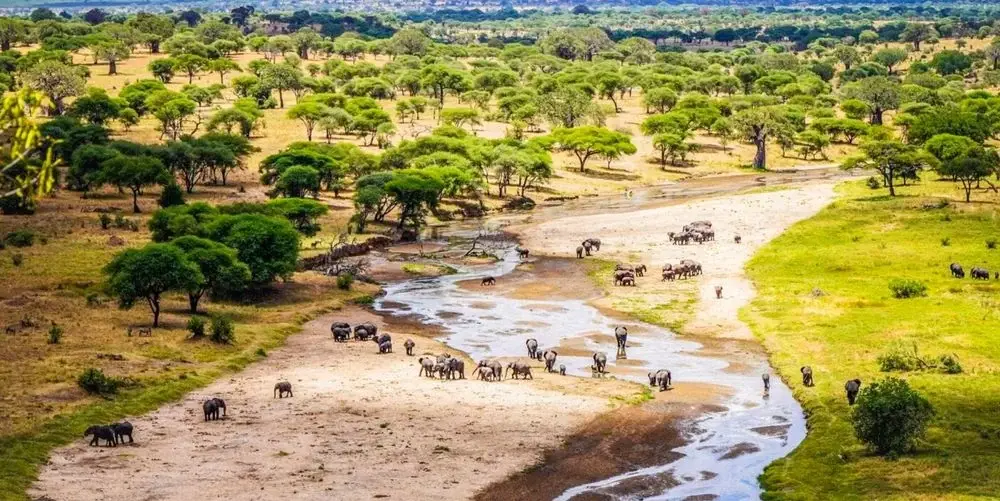
- The Tarangire River is the main source of fresh water for wildlife across the ecosystem during the dry season
- Known for one of the highest elephant densities in Tanzania
- About 70 km by road from Lake Manyara National Park
Elephants and baobabs
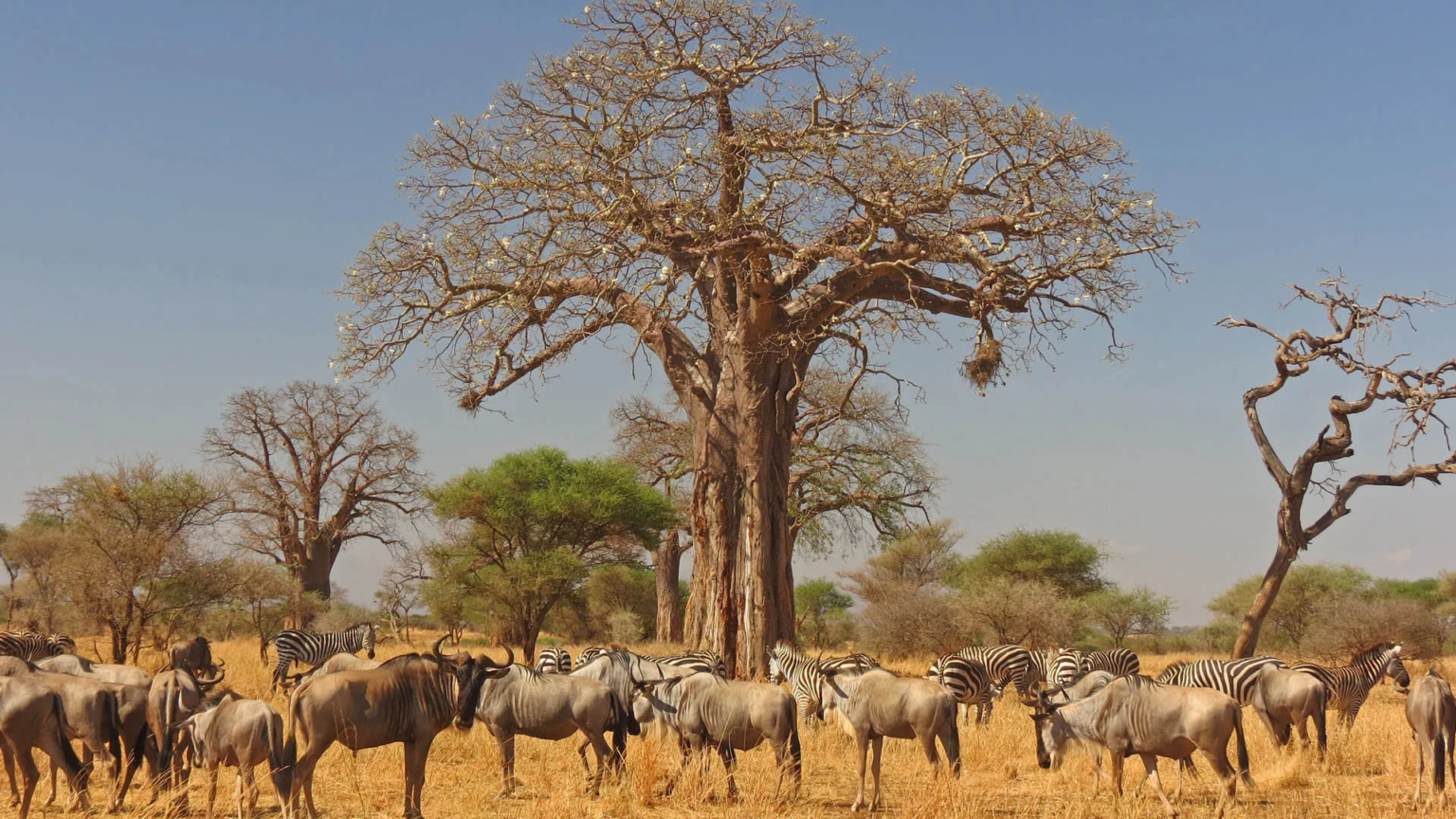
Tarangire’s elephant population is among the most studied in East Africa, and the park has recorded one of the oldest known elephants to give birth to twins. The park’s ancient baobab trees, some many centuries old, dot the landscape and are as much a signature of Tarangire as its wildlife, offering some of the most distinctive safari photography in northern Tanzania.
Dry season concentrations
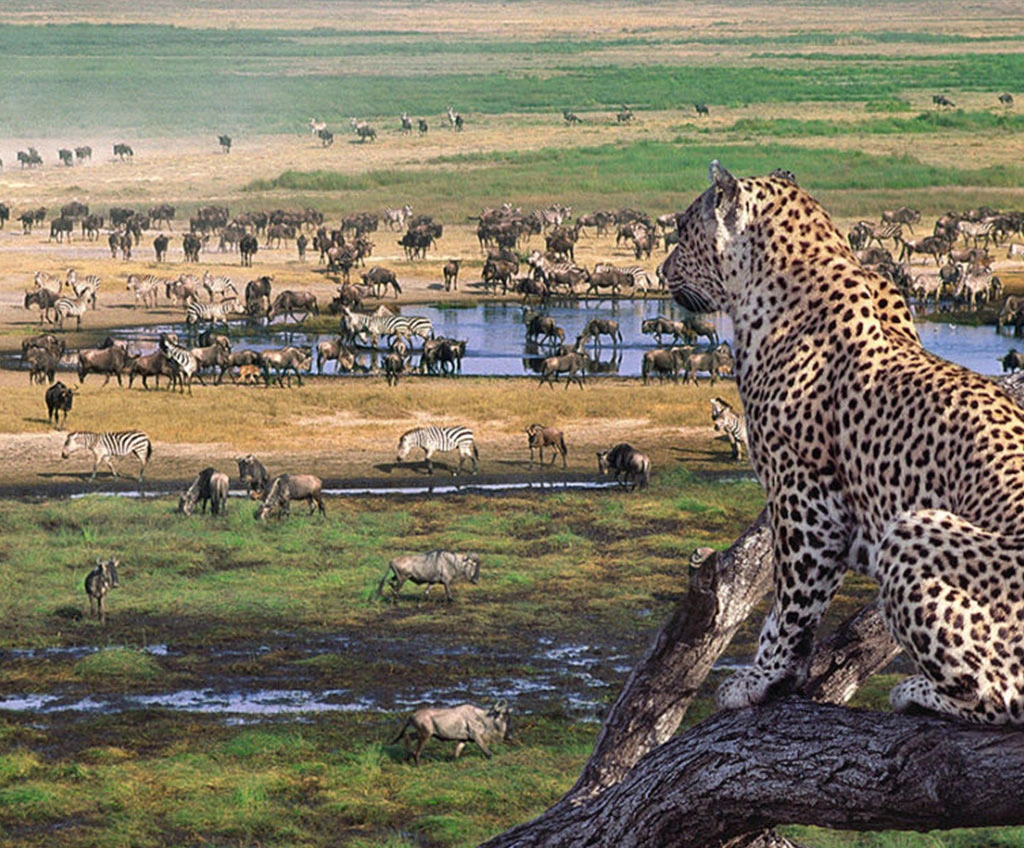
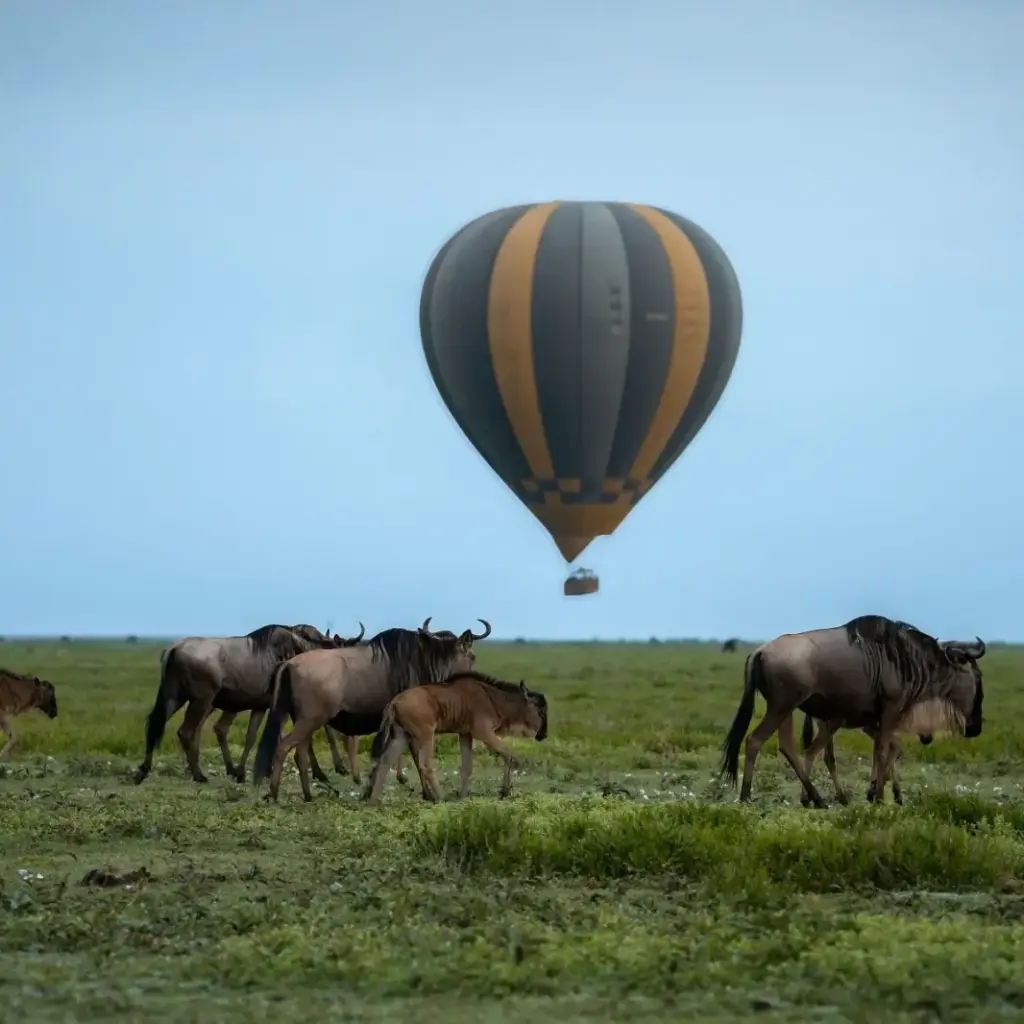
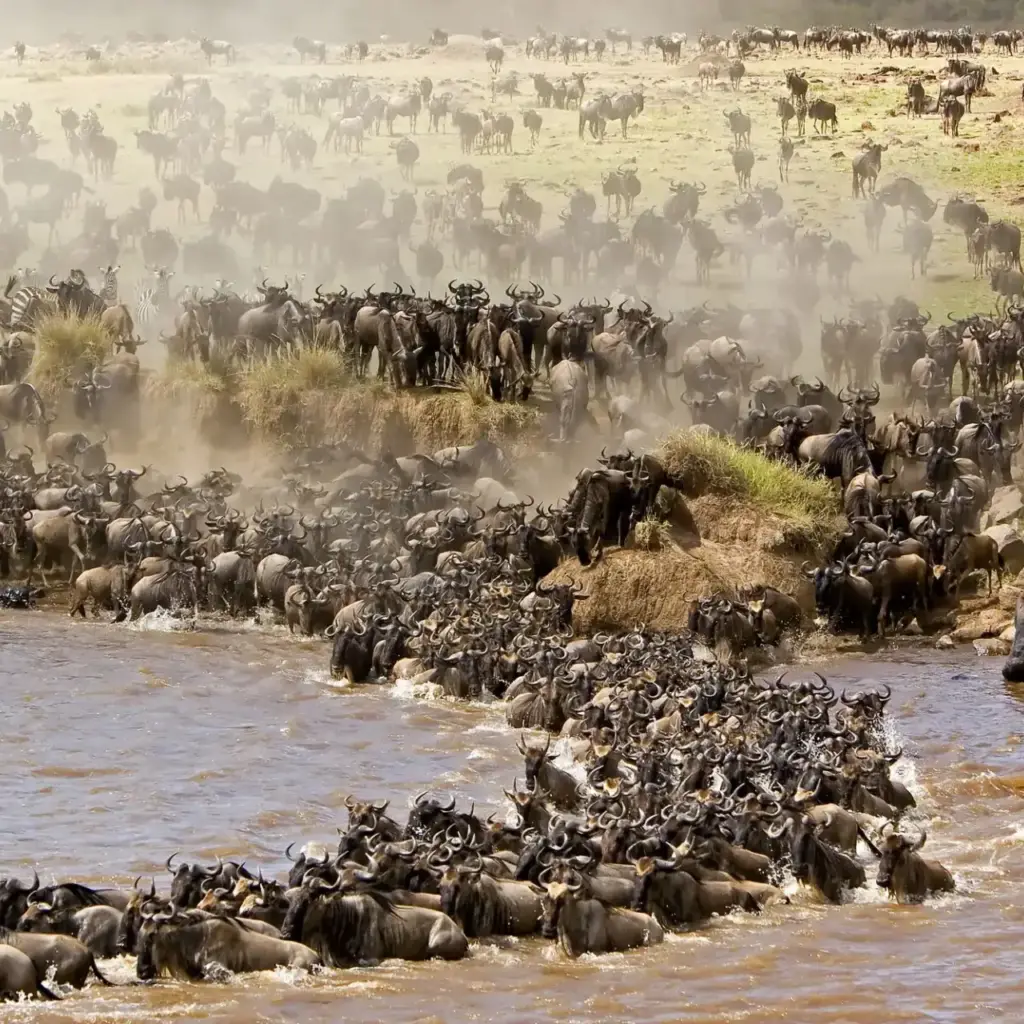
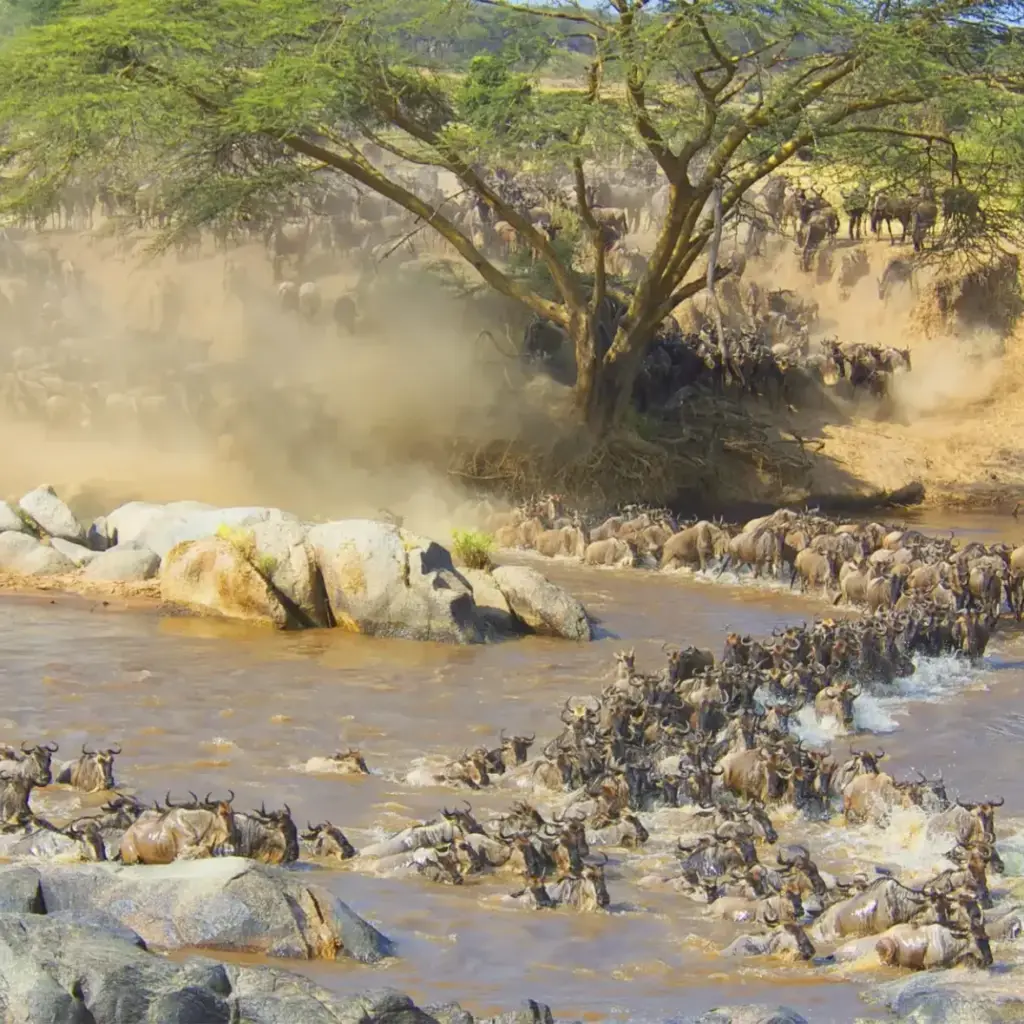
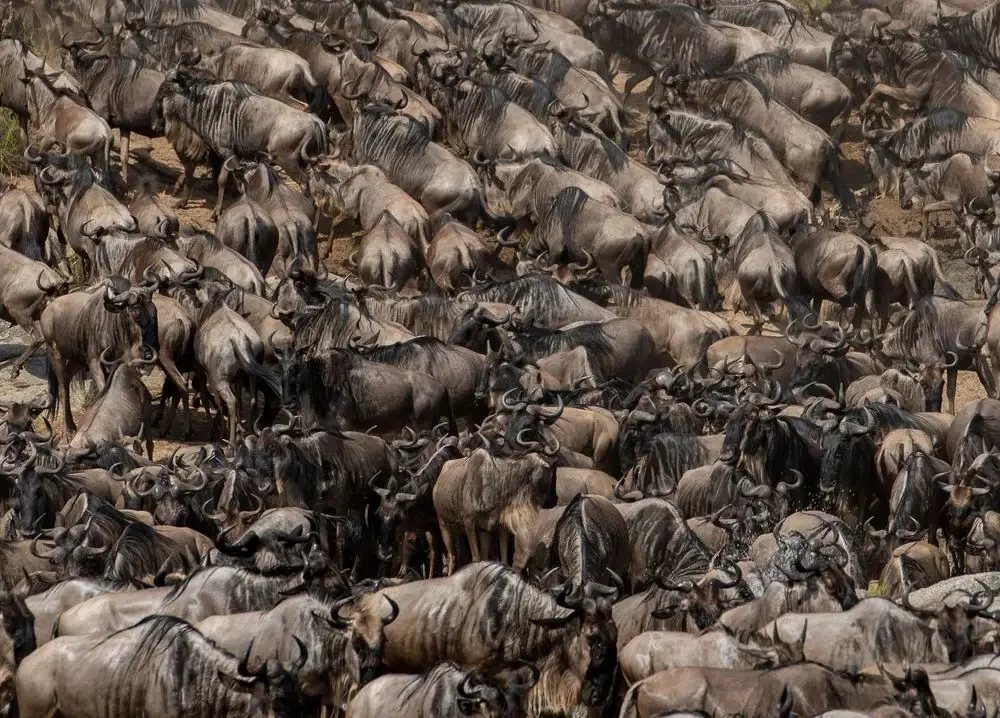
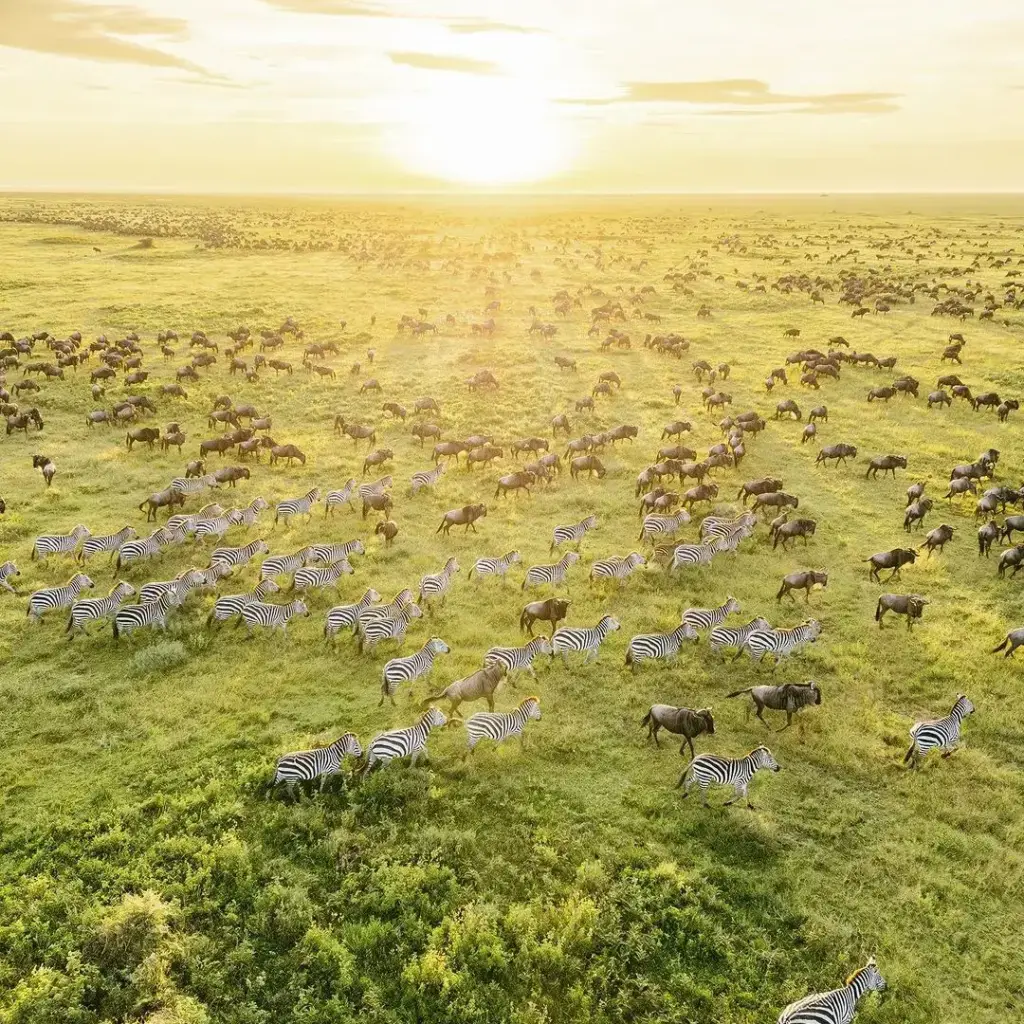
From June to November, the Tarangire River becomes one of the few reliable water sources in the wider ecosystem, drawing thousands of animals into the park, including large herds of zebra, wildebeest and buffalo that migrate in from surrounding dispersal areas. This seasonal concentration makes the dry months a particularly rewarding time to visit.
Things to do
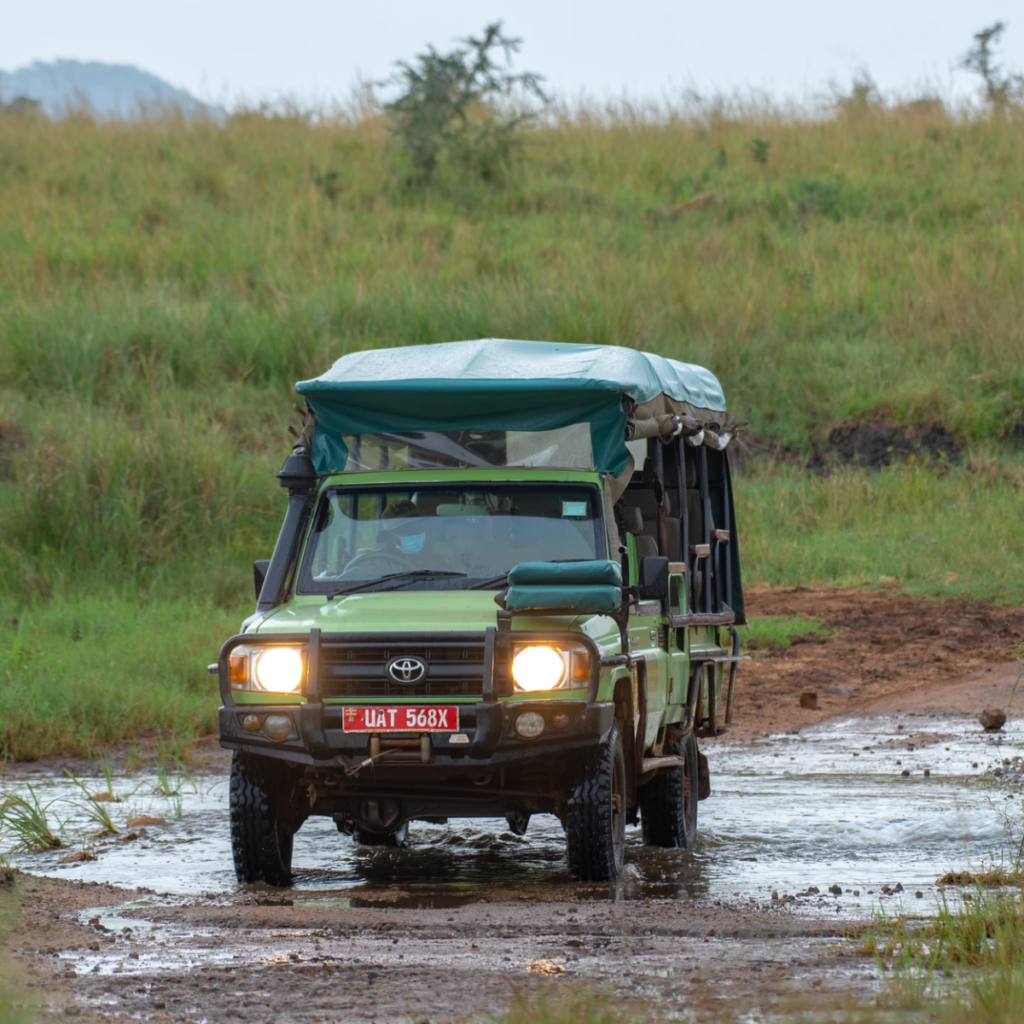
- Game drives focused on elephant herds and baobab-studded landscapes
- Walking safaris with armed rangers in designated areas
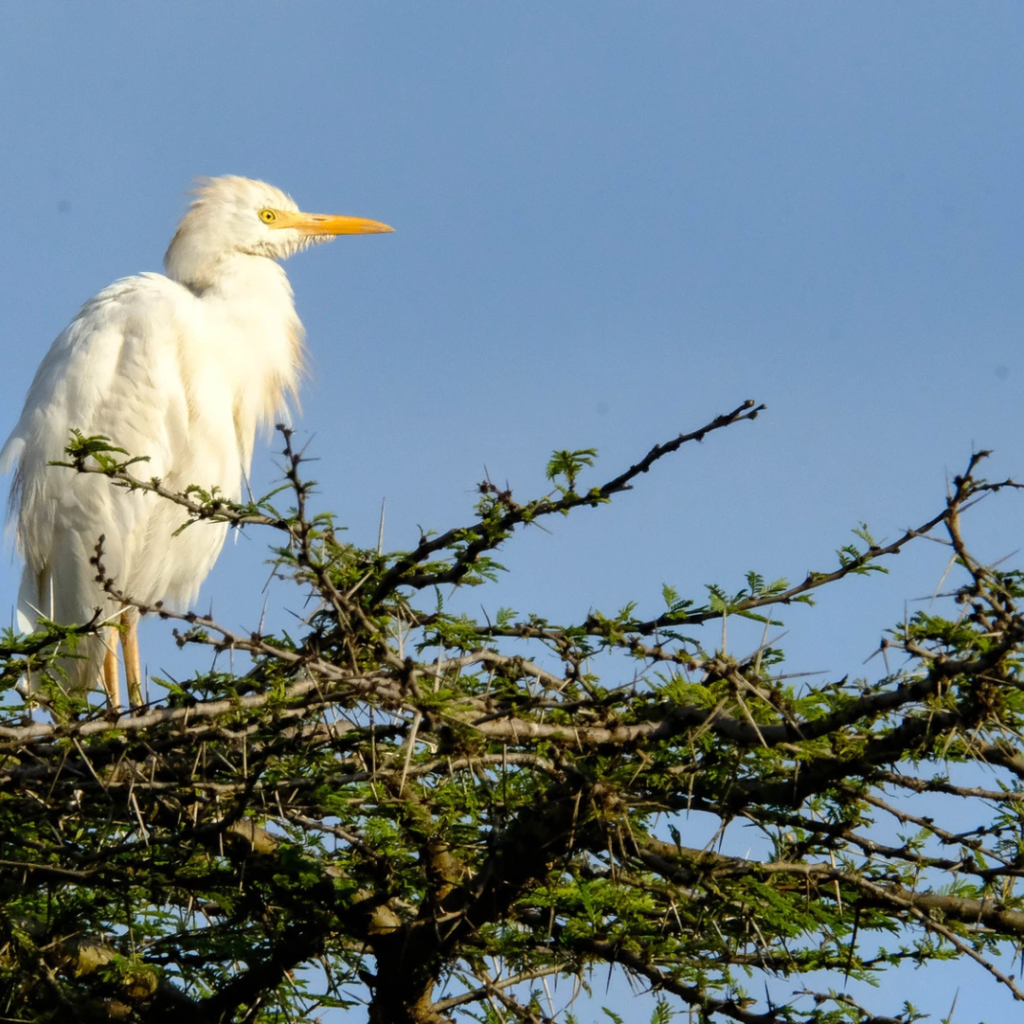
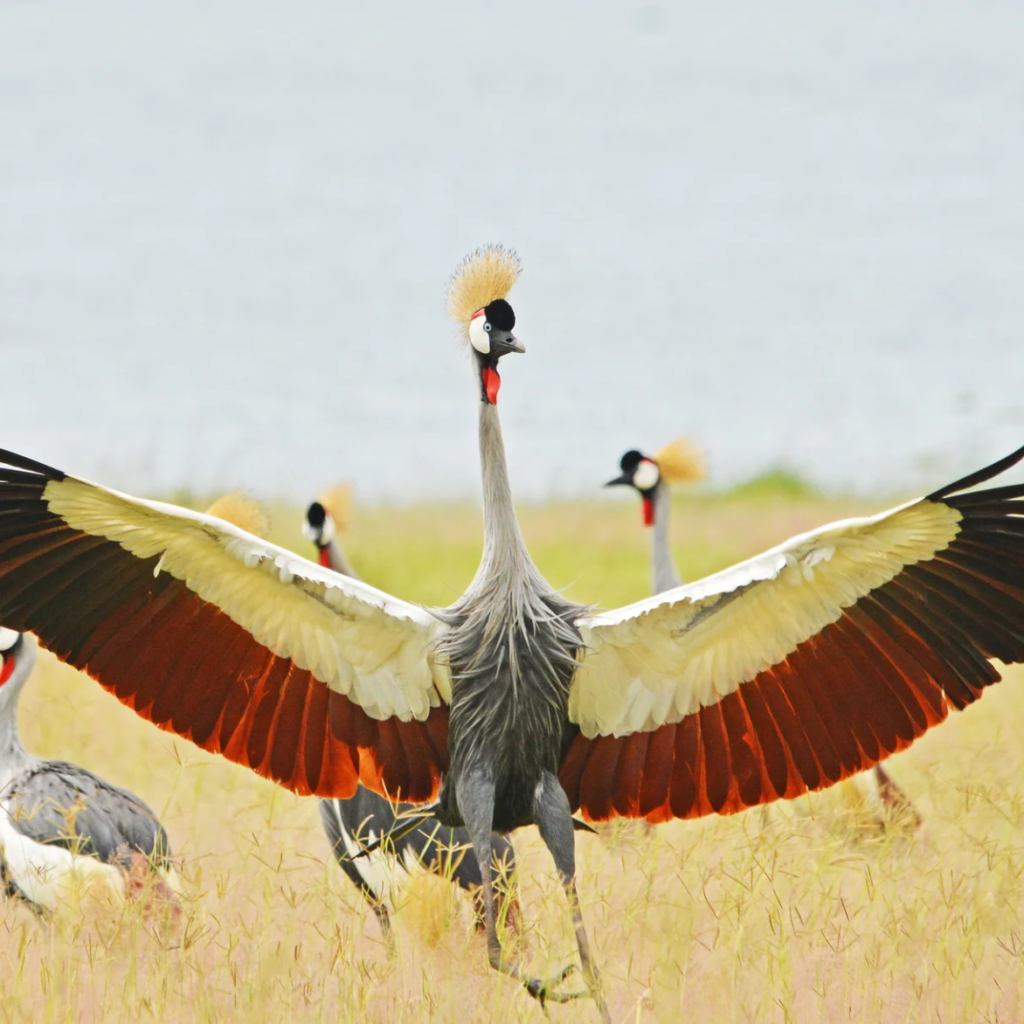
- Birdwatching, with over 550 recorded species across the wider ecosystem
- Combining a visit with Lake Manyara, Ngorongoro or the Serengeti on a northern circuit
Practical information
- Reached by road from Arusha, about two hours, making it an easy addition to a northern Tanzania circuit
- Best visited in the dry season from June to November for the highest wildlife concentrations
- Less crowded than the Serengeti or Ngorongoro, particularly outside peak months
Tarangire’s elephants and ancient baobabs make it one of the most photogenic parks on Tanzania’s northern circuit. Offmap Safaris can combine it with Lake Manyara, Ngorongoro or the Serengeti. To start planning, visit Plan My African Safari, message us on WhatsApp at +256 701 243 304, or email [email protected]. See also our notes on health and safety and responsible travel.