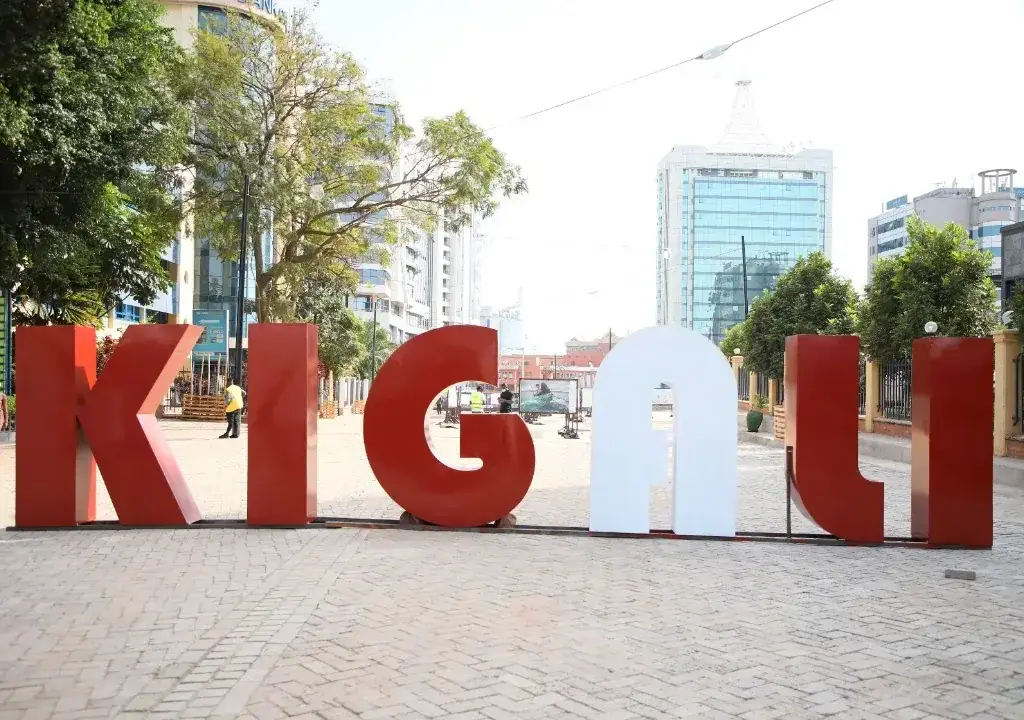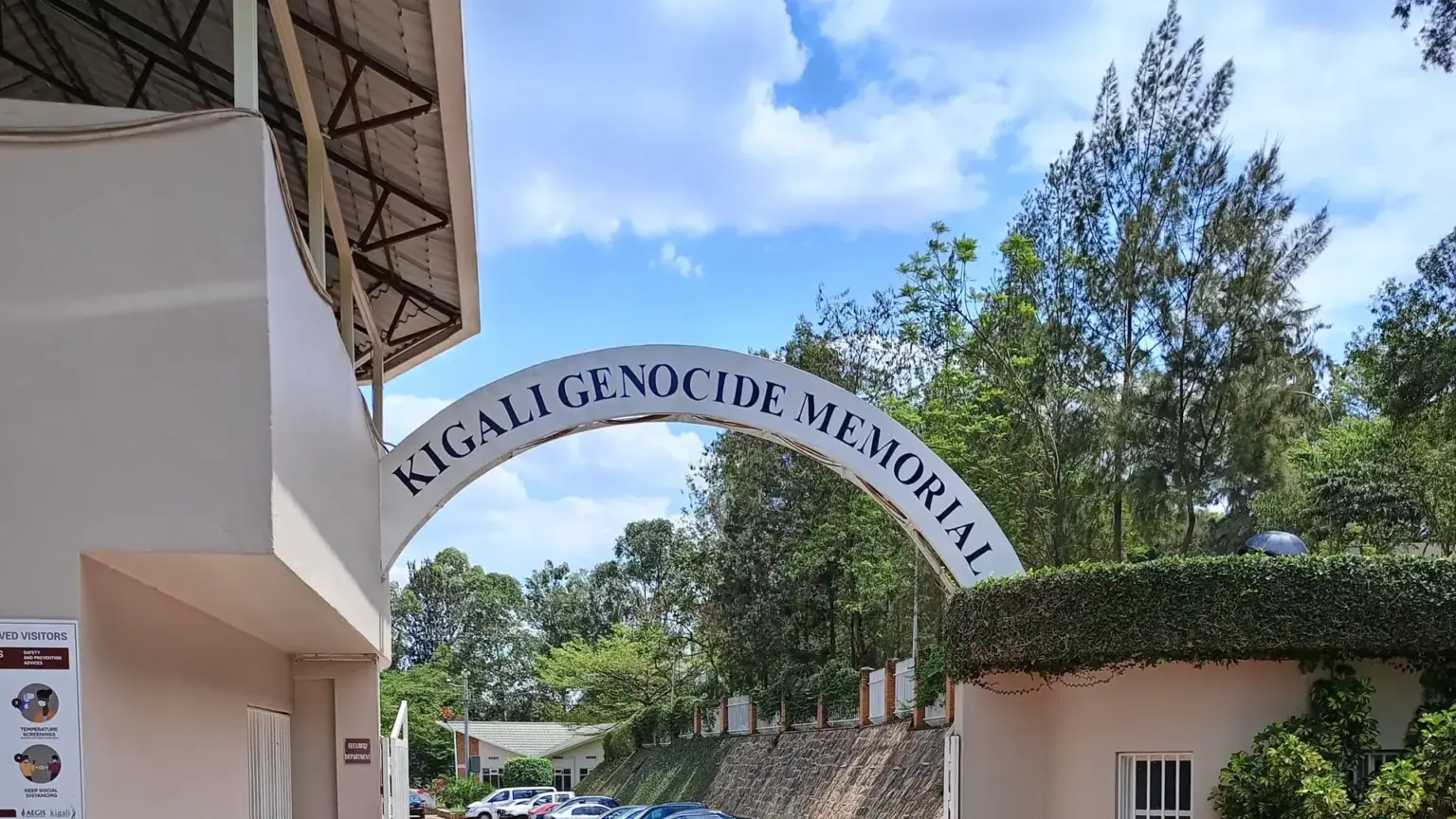
On a hillside in Gisozi, in the north of Kigali, lies one of the most important and most sobering places you can visit in Africa. The Kigali Genocide Memorial is the final resting place of more than 250,000 people who were killed in the 1994 Genocide against the Tutsi in Rwanda. It is also a centre of remembrance and education, where visitors learn how the genocide happened, how a country began to rebuild, and why the world must never look away again.
We include this page because a visit here shapes how many travellers understand Rwanda. It is not an attraction in the usual sense. It is a cemetery, a museum and a place of mourning, and it asks visitors to come quietly, listen carefully and leave with respect.
What the memorial is
The memorial was built on land provided by the City of Kigali in 1999, so that victims of the genocide could receive a dignified burial. Burials began in 2001, and the memorial was inaugurated in April 2004, on the tenth anniversary of the genocide. It is managed by the Aegis Trust, a UK-based genocide-prevention organisation, on behalf of Rwanda’s National Commission for the Fight Against Genocide. In 2023 the memorial, together with the memorial sites at Nyamata, Murambi and Bisesero, was inscribed on the UNESCO World Heritage List.
Many of those buried here were brought from around Kigali, from homes, streets, ditches and rivers, and many remain unidentified. The Wall of Names records those who have been identified; it is still being added to as families come forward and names are gathered.
Understanding the history
Between April and July 1994, in about one hundred days, Tutsi men, women and children were murdered across Rwanda, together with Hutu people who opposed the killings. Twa people were also among the victims. The number of victims will never be known exactly. Estimates range from around half a million to over a million, and the Rwandan government’s own figure is over a million. The genocide followed decades of ethnic division that had been hardened during colonial rule, and it was carried out while the international community failed to intervene. In Rwanda, the term used is the Genocide against the Tutsi.
A visit does not require prior knowledge. The exhibitions are designed to explain events clearly and with dignity.
What you will find at the memorial
- The main exhibition: the largest of the three permanent displays traces the history of Rwanda before and during colonial rule, the build-up to 1994, the genocide itself and its aftermath, using photographs, film, testimony and objects. Some of this material is distressing.
- The Children’s Room: a memorial to children who were killed, each remembered with a photograph and a few personal details. Many visitors find it the most moving part of the visit.
- “Wasted Lives”: an exhibition on genocide in the twentieth century, placing Rwanda alongside other atrocities such as the Holocaust and those in Cambodia and Bosnia.
- The mass graves: concrete slabs in the gardens, covering the burial places of over 250,000 people. Visitors are asked to walk with quiet respect and often lay flowers.
- The memorial gardens: landscaped spaces for reflection, with places to sit.
- The Genocide Archive of Rwanda: a collection of testimonies and documents, and a peace-education programme for students.
How to visit with respect
- Give yourself time. Allow at least two to three hours, and do not schedule anything demanding afterwards. Many travellers need quiet time.
- Dress modestly and calmly, with shoulders and knees covered and no loud clothing.
- Keep your voice low. This is a place of mourning for many Rwandans, some of whom come here to grieve.
- Follow the photography rules. Photography inside the exhibitions is restricted, and it is never appropriate to photograph mourners or the graves for entertainment. Ask if you are unsure.
- Children: the content is difficult, and the memorial is generally not recommended for young children. If you are travelling with teenagers, prepare them beforehand.
- Take care of yourself. It is normal to feel shaken. Rwandan guides and staff are used to supporting visitors.
- Consider a donation. The memorial depends on support for its educational and survivor programmes.
Remembering in April
Every year from 7 April, Rwanda observes Kwibuka, the national commemoration of the genocide, with a week of mourning and a hundred days of remembrance. During this period, public life is subdued, ceremonies are held at memorial sites across the country, and access for visitors may be limited. If your dates fall in April, tell us early so that we can plan sensitively. Many travellers find that a visit at another time of year is more comfortable, but you are welcome to come at any time with care.
Other memorials in Rwanda
Gisozi is one of several national memorial sites. Nyamata and Ntarama, south of Kigali, are churches where thousands were killed; Murambi in the south and Bisesero in the west are also places of remembrance. Some, such as Nyamata, Murambi and Bisesero, are on the UNESCO list with Gisozi. Their content can be raw and direct, and we recommend them only to travellers who are prepared. We will discuss options with you.
Learning about Rwanda today
Visitors often leave the memorial wanting to understand how Rwandans have rebuilt. Many people find it helpful to follow the visit with time in the city: the Rwanda Art Museum, the Nyamirambo neighbourhood, a talk with a local guide or a visit to a cooperative that brings together survivors and former perpetrators in reconciliation projects. We can arrange these with community guides who present them honestly.
Practical information
- Location: Gisozi, KG 14 Avenue, north of central Kigali, about 15 to 25 minutes from most hotels depending on traffic.
- Time needed: half a day is ideal.
- Entry: arrangements, opening hours and any audio-guide fees are confirmed by us before your visit. Donations are welcome.
- Guides: the memorial provides guides and audio guides, and we can accompany you or leave you to visit alone, as you prefer.
- Check requirements: see our Visa & Entry Requirements and Health & Safety pages.
Visit the memorial with Offmap Safaris
We include the Kigali Genocide Memorial in Rwanda itineraries as a visit at the start or end of a safari, before or after gorilla trekking, planned so that you are not rushed. Plan your safari, message us on WhatsApp +256 701 243 304 or email [email protected]. Please also read our Responsible Travel page.