Meru National Park lies in Tharaka-Nithi County, roughly 350 km northeast of Nairobi, on the eastern side of Kenya where the highlands drop into the dry Nyambene plains. Gazetted in 1966, the park covers about 870 sq km and is one of the least crowded of Kenya’s major parks, prized by visitors who want wide, unspoiled bush without the crowds of the more famous reserves.
The park at a glance
- Roughly 870 sq km, gazetted in 1966
- Borders Bisanadi National Reserve and Kora National Park, forming a much larger connected wilderness
- Around 13 rivers and permanent streams cross the park, including the Tana, Rojewero and Ura
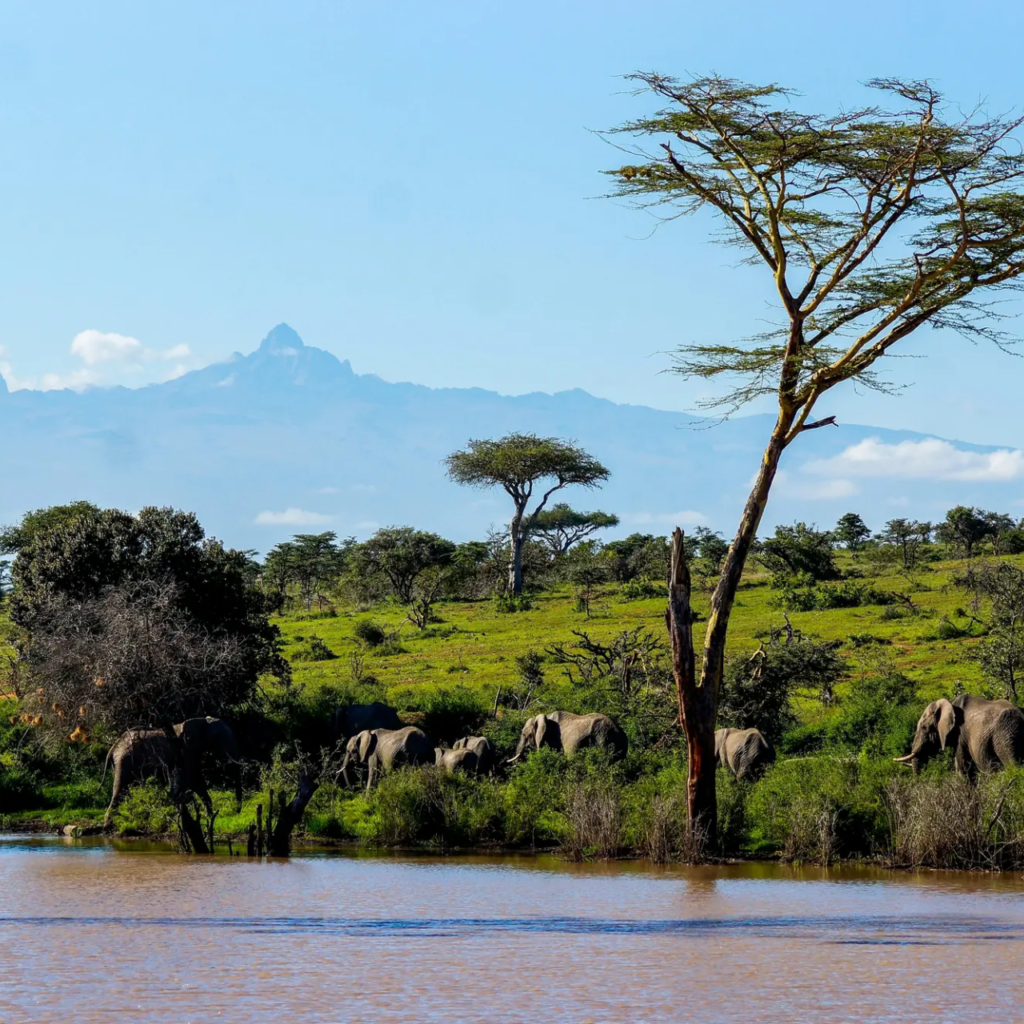
- Rolling volcanic soils, doum palms and riverine forest give it a lusher look than Kenya’s drier northern parks
George and Joy Adamson, and Elsa the lioness
Meru’s best-known story is that of George and Joy Adamson, who raised the orphaned lion cub Elsa here in the 1950s and released her back into the wild, an experience Joy Adamson wrote about in Born Free. Elsa’s grave lies near the park’s southern boundary, and part of Joy Adamson’s ashes were scattered nearby after her death. Adamson’s Falls, on the Tana River, is named for the family and remains a landmark for visitors following that history through the park.
The rhino sanctuary
A fenced sanctuary inside the park protects black and white rhinos under close monitoring by the Kenya Wildlife Service, part of a long recovery after poaching severely reduced Meru’s rhino population in past decades. Guided drives into the sanctuary are arranged through park rangers and give a good chance of seeing rhino at close range in a controlled setting.
Wildlife and birds
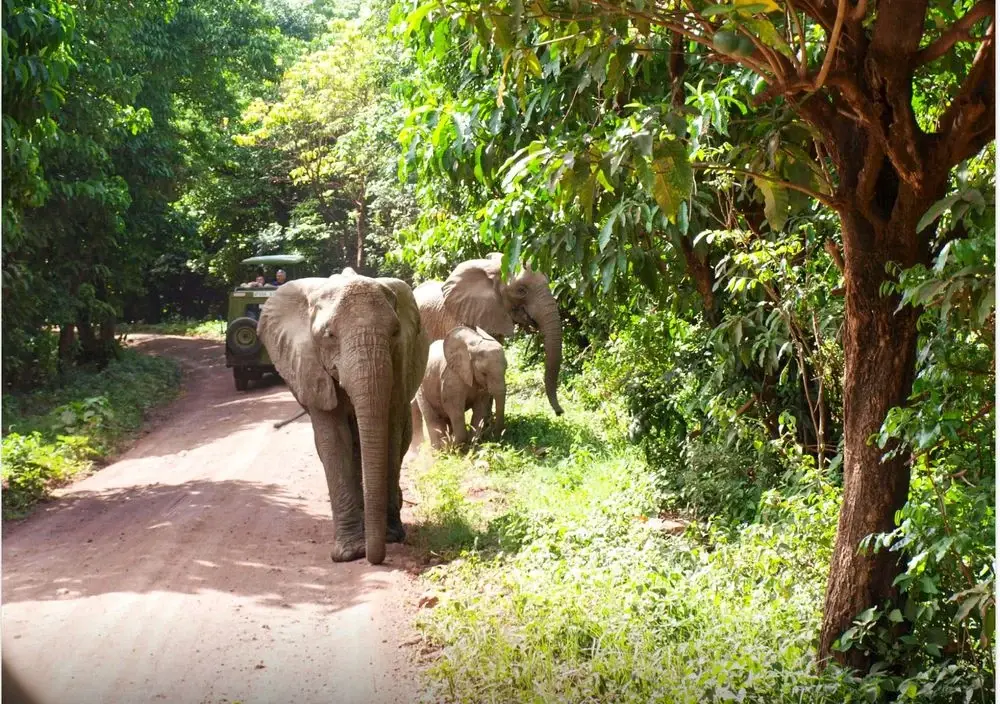
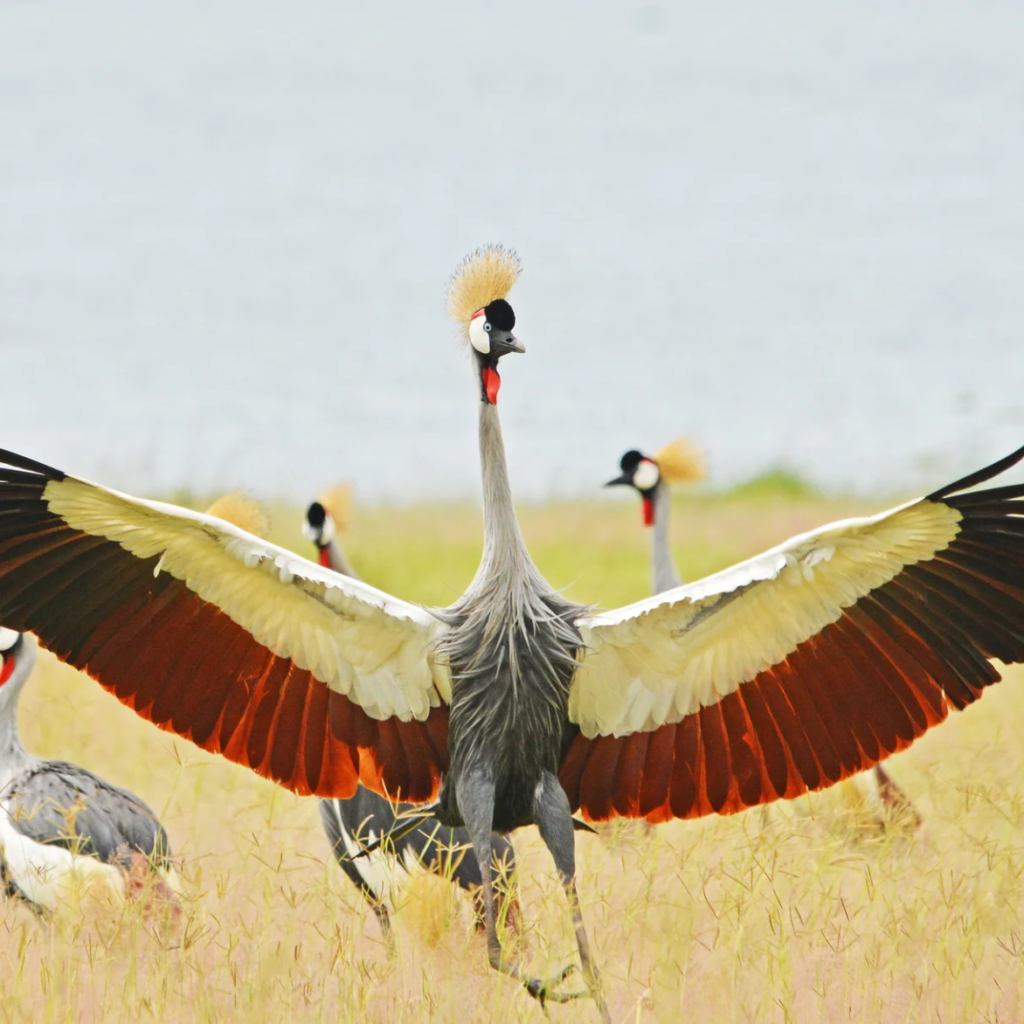
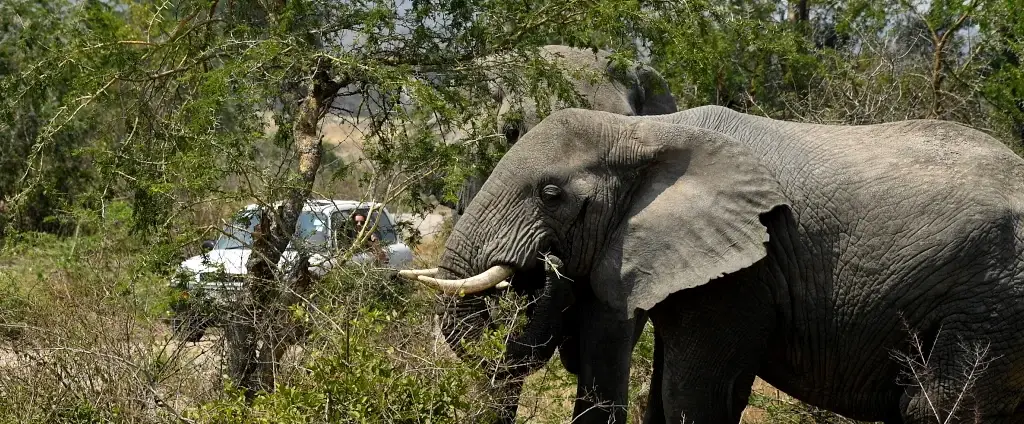
Meru supports elephant, buffalo, hippo and reticulated giraffe, along with predators such as lion, cheetah and leopard. The park is also one of the more reliable places in Kenya to see Grevy’s zebra and Hunter’s hartebeest, both listed as endangered, alongside more common plains species like the common hartebeest. Doum palm groves and riverine woodland along the Tana and its tributaries support a long list of resident and migratory birds.
Things to do
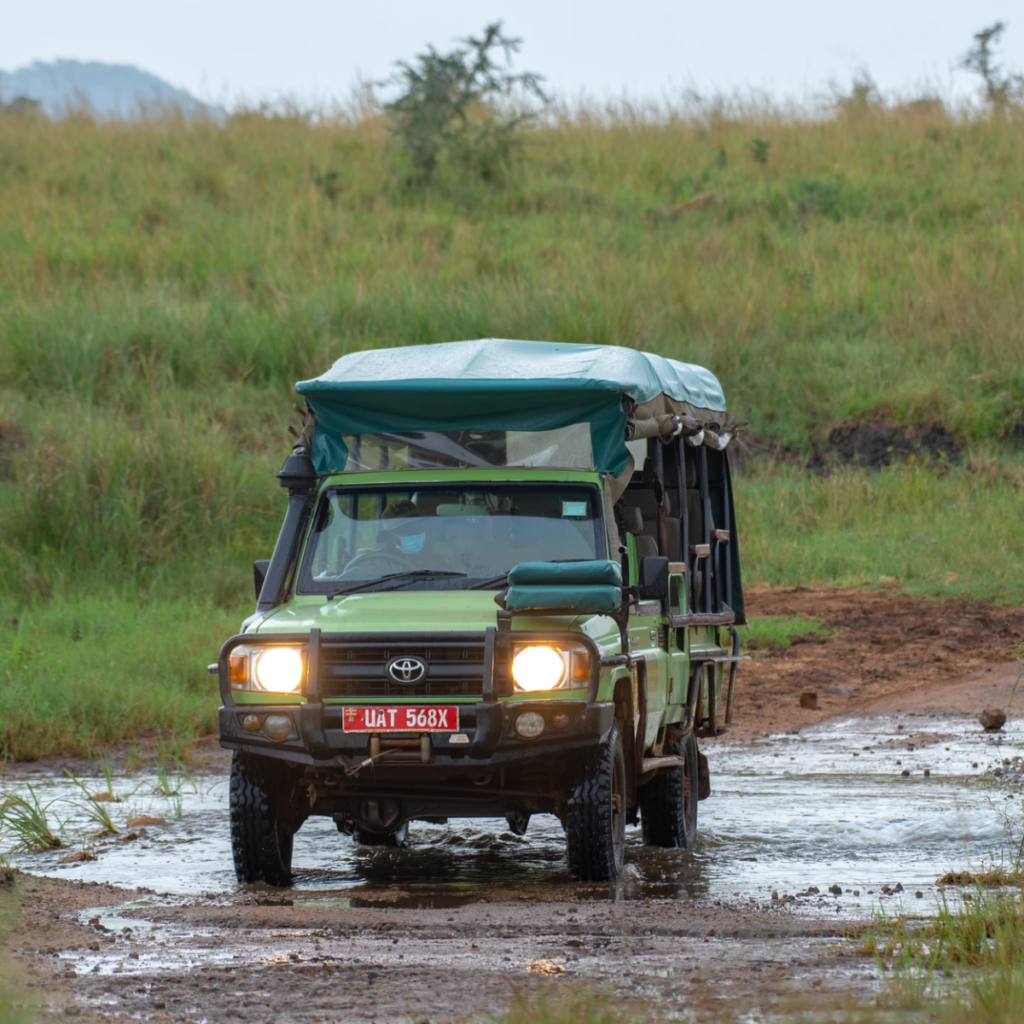
- Game drives across open plains and along the river systems for elephant, giraffe and predators
- A visit to Elsa’s grave and the Adamson camp sites for the Born Free history
- Guided viewing inside the rhino sanctuary
- Photography at Adamson’s Falls on the Tana River
- Birdwatching along the riverine forest belts
Practical information
- Reached by road from Nairobi via Meru town, or by scheduled and charter flights to the park’s airstrips
- Best visited in the dry seasons, from June to October and January to February, when tracks are easier and wildlife gathers near permanent water
- Managed by the Kenya Wildlife Service; park fees apply and are best confirmed directly with KWS or your operator before visiting
- Accommodation is limited compared with the Mara or Amboseli, which keeps the park quiet even in peak months
Because Meru sees far fewer visitors than Kenya’s headline parks, it rewards travelers who want genuine bush quiet alongside a well-known conservation story. Offmap Safaris can build Meru into a wider northern Kenya itinerary, combine it with Lewa or Samburu, and confirm rhino sanctuary access and current park fees before you travel. To start planning, visit Plan My African Safari, message us on WhatsApp at +256 701 243 304, or email [email protected]. See also our notes on health and safety and visa and entry requirements for Kenya.