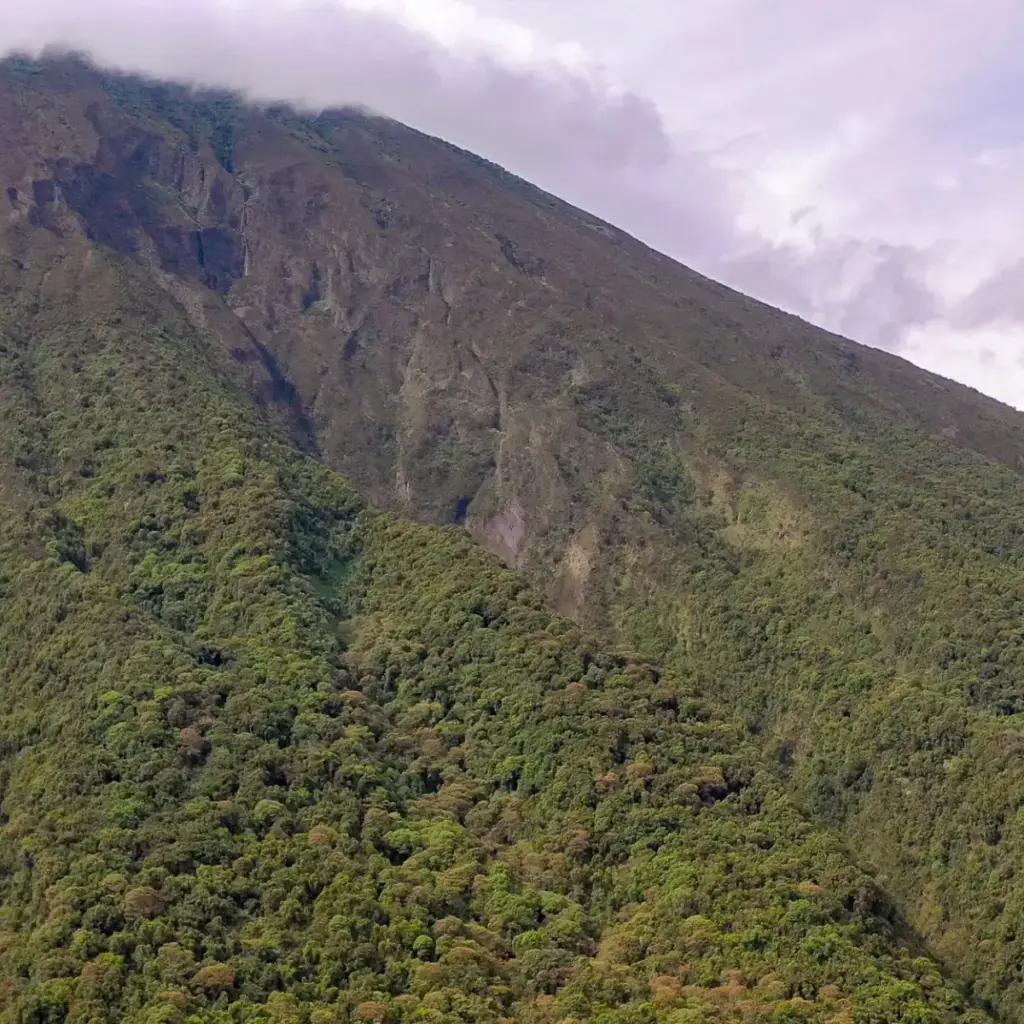
Tanzania is famous for open plains, but one of its greatest natural treasures is a wall of forested mountains in the south, where mist hangs in the trees and monkeys that live nowhere else on Earth leap through the canopy. Udzungwa Mountains National Park has no game-drive roads and no crowds. It has trails, waterfalls, ancient rainforest and an extraordinary concentration of rare species, which is why scientists call the Udzungwa range the “Galapagos of Africa”.
An island of forest
The Udzungwa Mountains are part of the Eastern Arc Mountains, a chain of ancient, isolated ranges across Tanzania and Kenya that has caught rain from the Indian Ocean for millions of years. Because these forests have been stable for so long, and cut off from one another, species evolved in isolation. The result is one of the richest concentrations of endemic life in Africa.
- Size: about 1,990 square kilometres, with altitudes rising from around 250 metres to more than 2,500 metres.
- Established: 1992, in south-central Tanzania, west of Mikumi National Park and north of the great Nyerere ecosystem.
- Habitats: lowland and mountain rainforest, miombo woodland, bamboo and high grassland.
- Water: the mountains catch the rain that feeds the Kilombero Valley and supports hydropower stations at Kidatu and Kihansi.
Wildlife found nowhere else
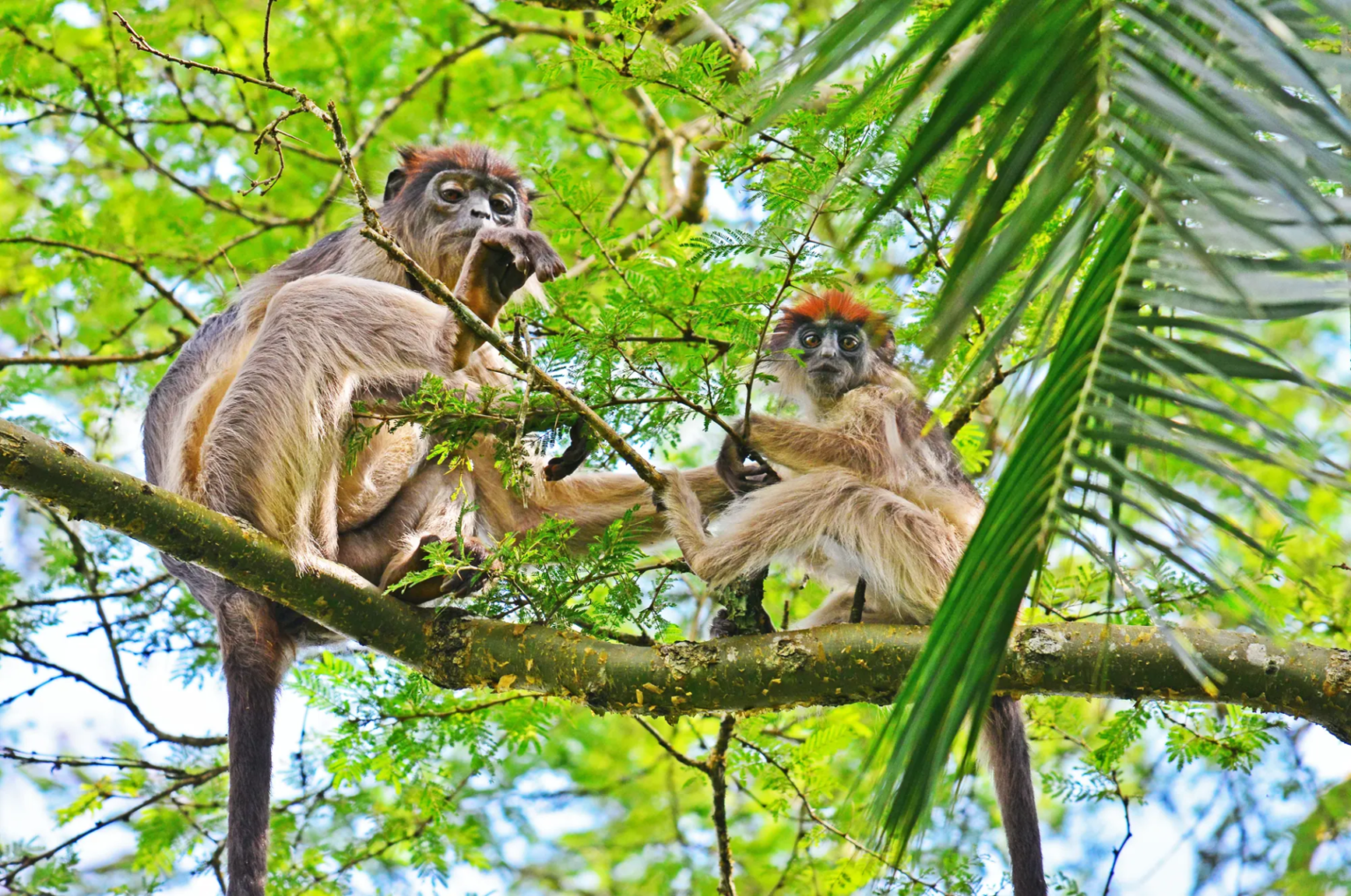
- Iringa red colobus: a striking monkey found only in the Udzungwa region.
- Sanje crested mangabey: a primate so hidden that scientists did not discover it until 1979, and found only here.
- Other primates: blue monkeys, black-and-white colobus, baboons and, in the wider range, the kipunji, one of Africa’s rarest monkeys.
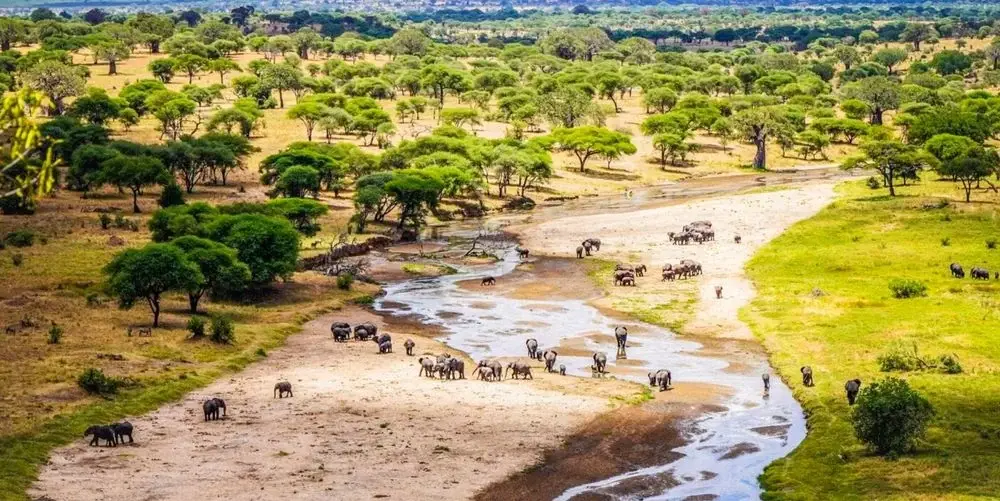
- Elephants and other mammals: elephants live on the southern escarpment, alongside leopards, Abbott’s duiker, and the grey-faced sengi, an unusual elephant-shrew.
- The Udzungwa forest partridge: discovered in 1991 and more closely related to an Asian genus than to any other African game bird.
- Kihansi spray toad: a tiny toad that lived at only one waterfall and was declared extinct in the wild in 2009, then bred in captivity and reintroduced.
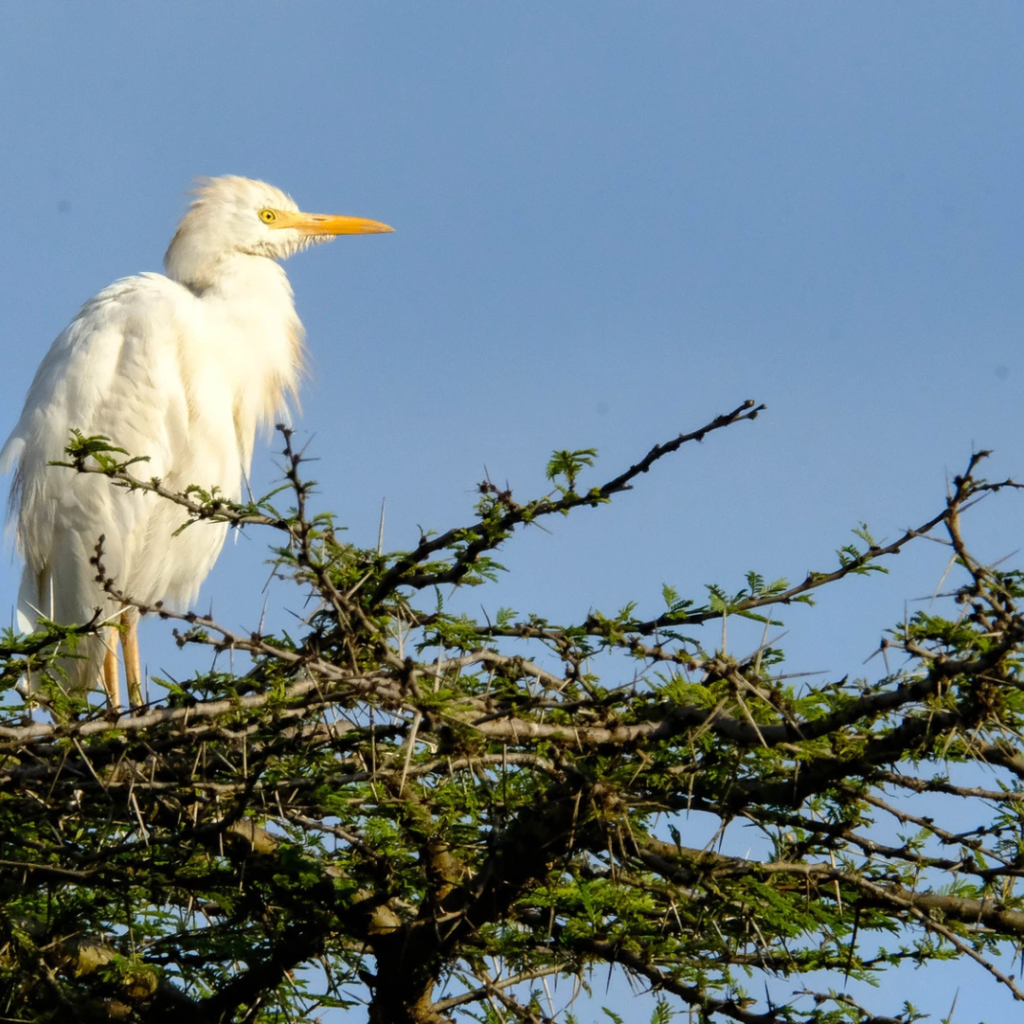
More than 400 species of bird have been recorded, including many Eastern Arc endemics, and the range is regarded as one of the top birdwatching areas on the African mainland. It is also rich in butterflies, chameleons, frogs and rare plants.
Walking in Udzungwa
There are no roads for vehicles, so everything is on foot with a ranger or guide.
- Sanje Waterfall: the classic half-day walk climbs steadily through forest to a waterfall that plunges about 170 metres into the valley below. It is the highest waterfall in Tanzania’s national parks. There are viewpoints along the way, and you may swim in the pool at the top of the lowest cascade.
- Short forest trails: the Njokamoni and Sonjo trails and the Jogoo trail are shorter walks that provide wildlife spotting, and forest lodges near the park gate can guide you.
- Mwanihana Trail: a challenging two-night hike with camping, to the plateau and on to Mwanihana, the second-highest peak in the range, with wide views over the sugar plantations of the valley.
- Birding and primate walks with specialist guides.
Trails are steep, humid and often muddy. You should be reasonably fit, and go with good boots, insect repellent and a rain jacket.
Practical information
- Getting there: the park entrance is near Mang’ula, about five hours’ drive from Dar es Salaam and a short drive from Mikumi National Park. It can also be reached from Iringa and Ruaha.
- Best time: the dry season, roughly June to October, is easiest for hiking. The forest is green in the rainy season, but paths are slippery.
- Time needed: at least two nights; add more for the Mwanihana trek.
- Health: malaria is a risk in the lowlands; see our Health & Safety page.
- Combining: Udzungwa fits neatly with Mikumi, Nyerere (Selous) and Ruaha on a southern-circuit safari, giving forest and savannah on the same route.
Udzungwa with Offmap Safaris
We include Udzungwa in southern Tanzania routes and in nature-focused safaris for hikers and birders. Plan your safari, message us on WhatsApp +256 701 243 304 or email [email protected]. Read our Responsible Travel page.