Skip to content
UGANDA • RWANDA • KENYA • TANZANIA • PRIVATE & TAILOR-MADE SAFARIS
OFFMAPSAFARIS: Home

Mombasa, Kenya

Moi International Airport

Kenya's gateway to the Indian Ocean coast, and the easiest way to pair a safari with a beach escape.

While JKIA handles the safari circuit, Moi International Airport is Kenya’s other international gateway: built for a different kind of arrival: white sand, warm water, and the Indian Ocean coast.

Where it is

Moi International Airport serves Mombasa, Kenya’s second city, on the coast roughly 425km southeast of Nairobi by air. It is a separate international entry point entirely, not a domestic extension of JKIA; some visitors fly directly into Mombasa for a beach-only stay, while others use it to add a coastal extension onto the end of a safari.

Terminals and reputation

The airport runs three terminals (international, domestic, and a general aviation terminal for charter traffic) and handles around 1.7 million passengers a year. It was named Best Airport in Africa in its size category by Airports Council International in 2020, though by 2025 local tourism voices were calling for the terminal to be modernised, so don’t expect the newest facilities on arrival.

Airlines and routes

Kenya Airways and Jambojet both treat Mombasa as a focus city alongside their Nairobi hub, and Mombasa Air Safari operates scheduled light-aircraft routes linking the coast directly to Kenya’s inland parks; a genuinely useful option for a safari-and-beach combination without routing back through Nairobi.

Entry requirements

The same Kenyan eTA requirement applies here as at JKIA. It is a national entry authorisation, not airport-specific. See our Visa & Entry Requirements page for details and confirm current requirements for your nationality before you fly.

Pairing the coast with a safari

A few unwinding days on the coast after a Maasai Mara safari is one of Kenya’s classic combinations: see our Kenya Safaris page for how a beach extension typically slots in, and our Wellness Safaris page if a slower, restorative pace is what you’re after.

Plan your arrival into Moi International Airport (MBA): Gateway to Mombasa & the Kenyan Coast

Tell us your flight details and where your safari starts, and we’ll make sure your arrival connects smoothly into the rest of your itinerary. Talk to us, or browse our safari packages to see how it all fits together.
Related safaris

Safaris in Kenya

All Kenya safaris →

Travel Guide

Read more about Kenya

More Kenya stories →

Need to know?

Questions about Moi International Airport (MBA): Gateway to Mombasa & the Kenyan Coast

View all FAQs →
Can I fly directly into Mombasa instead of Nairobi?

Yes. Moi International Airport has direct and connecting international flights, making it a practical entry point for a coast-focused safari or a safari-and-beach combination that starts or ends on the coast.

Can I combine a Kenya safari with the coast?

Yes. Pairing a Maasai Mara or Amboseli safari with a few days on the Kenyan coast (Diani, Watamu or Lamu) is a well-established combination, giving a wildlife-then-beach structure to the safari.

Do I need a visa to visit Kenya?

Most nationalities need an eTA (electronic travel authorisation) for Kenya, applied for online before travel. Requirements vary by nationality, so confirm current guidance for your passport ahead of your safari.

How many days do I need for a Kenya safari?

A focused Maasai Mara safari can work in 3–4 days, while combining the Mara with Amboseli, another park or the coast generally calls for 7–10 days. We shape the length around what you want to include.

How many national parks does Kenya have?

Kenya protects its wildlife across more than sixty national parks and reserves, an unusually extensive network for a single country: from the Maasai Mara and Amboseli in the south to Samburu and the arid northern reserves, each holding a somewhat different range of species.

What wildlife can I expect to see in Kenya beyond the migration?

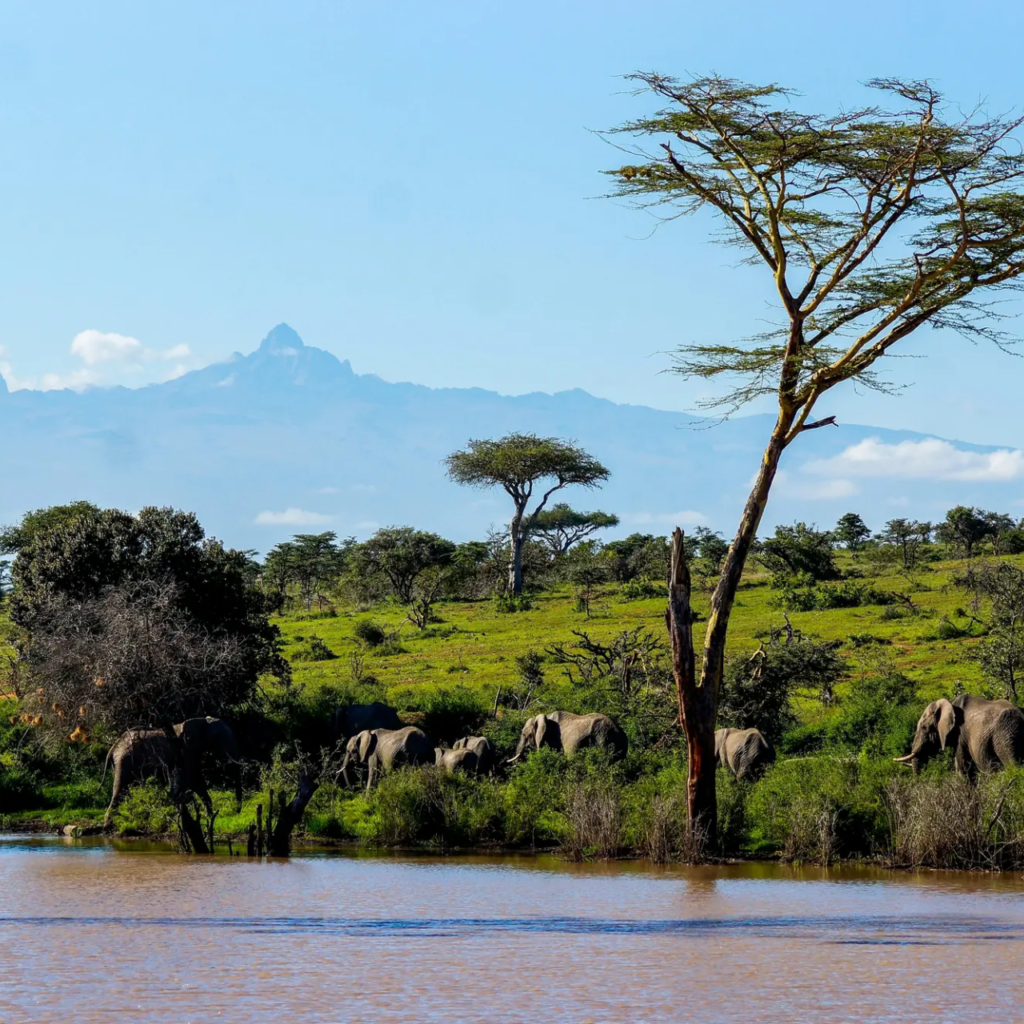
Kenya’s parks hold resident wildlife year-round regardless of migration timing; the Maasai Mara and Amboseli both offer strong odds of the Big Five, along with healthy cheetah populations and, in Amboseli, some of Africa’s most reliable large elephant herds.

When is the best time to see the wildebeest migration in Kenya?

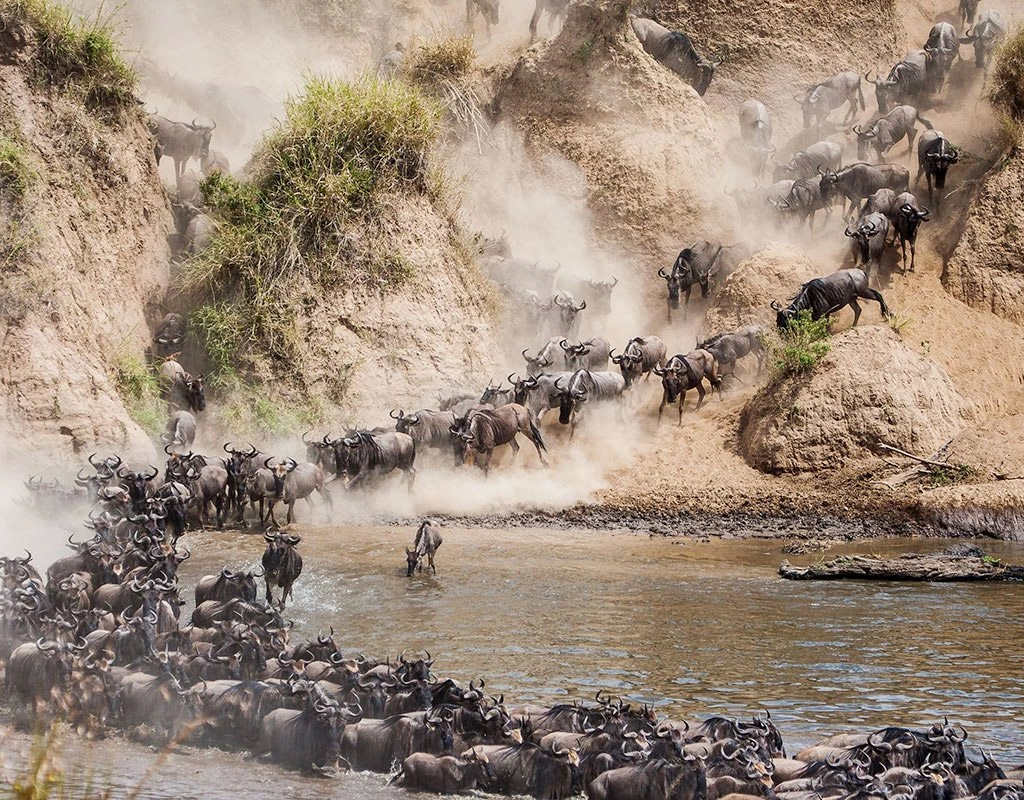
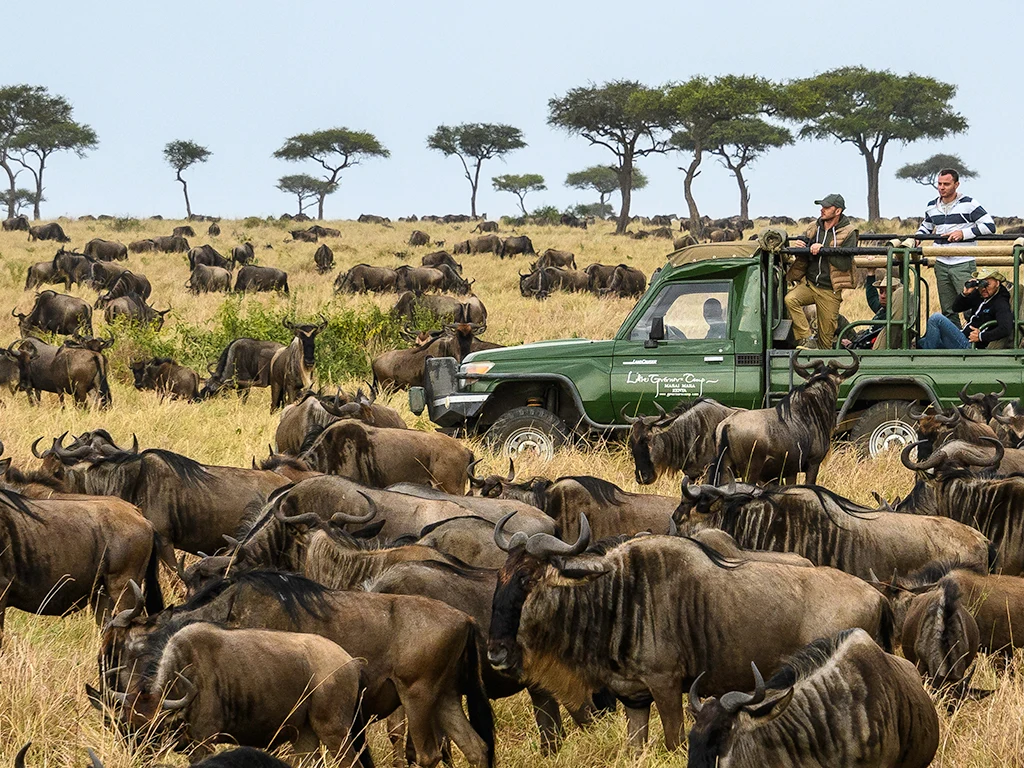
The migration’s presence in Kenya’s Maasai Mara is most likely from around July to October, when large herds typically cross from Tanzania’s Serengeti, though exact timing shifts year to year with rainfall patterns.